

Oral history interview with Charles G. Cochrane
- 2024-Jun-03
Oral history interview with Charles G. Cochrane
- 2024-Jun-03

Charles (Charley) G. Cochrane begins his interview discussing his family, his childhood, and his adolescence in Berkeley, California. His father emigrated from England and attended the University of California, Berkeley, where he and Cochrane’s mother met. Though his father’s investment business ran into difficultly at the outset of the Great Depression, necessitating his father’s temporary move to Mexico, life in Berkeley was quite enjoyable with good weather and plenty of opportunities to spend time outdoors to play tennis with friends and classmates. Cochrane had an early interest in science and his parents supported his, and his older brother’s, interest in pursuing undergraduate and graduate education on the East Coast. Cochrane’s brother attended Yale University for undergraduate studies and Cochrane the University of Rochester. Cochrane used their general proximity to visit his brother during long weekends whenever the opportunity arose. Interested in pursuing medicine, Cochrane ultimately decided to attend the University of Rochester Medical School in large part due to the changes that George H. Whipple established during his deanship there.
During medical school, Cochrane decided to pursue Internal Medicine as his specialty, but upon graduating his interests shifted to immunology and he wanted to undertake scientific research—not clinical—related to that topic. Finding a wonderful group of immunological researchers, Cochrane moved to Frank J. Dixon’s lab at the University of Pittsburgh to begin his career in research; he did so with support from the National Institutes of Health (NIH). After a time spent at the Institut Pasteur in Paris, France, Cochrane joined most of his colleagues from Dixon’s lab when they all moved to the Scripps Clinic in California. The five of them founded Scripps Research in 1961.
Cochrane and his colleagues had complete independence at Scripps to pursue whatever research they desired with the funds they received from the NIH and other granting institutions. It is at Scripps that Cochrane began his work on inflammation and inflammatory responses, now working with postdocs who came from all over the world to study with him. It is at Scripps that Cochrane discovered what protein is responsible for keeping the alveolus open and functioning, which had great importance for treating premature babies who suffered from oxygen deprivation soon after birth. Cochrane spends the rest of the interview discussing this research and the therapy developed from it, as well as his life and work post retirement.
| Property | Value |
|---|---|
| Interviewee | |
| Interviewer | |
| Place of interview | |
| Format | |
| Genre | |
| Extent |
|
| Language | |
| Rights | In Copyright |
| Credit line |
|
About the Interviewers
David J. Caruso earned a BA in the history of science, medicine, and technology from Johns Hopkins University in 2001 and a PhD in science and technology studies from Cornell University in 2008. Caruso is the director of the Center for Oral History at the Science History Institute, a former president of Oral History in the Mid-Atlantic Region (2012-2019), and served as co-editor for the Oral History Review from 2018-2023. In addition to overseeing all oral history research at the Science History Institute, he also holds several, in-depth oral history training workshops each year, consults on various oral history projects, and is adjunct faculty at the University of Pennsylvania, teaching courses on the history of military medicine and technology and on oral history.
Michelle DiMeo is Vice President of Collections and Programs and the Arnold Thackray Director of the Othmer Library at the Science History Institute. She holds a PhD in English and History from the University of Warwick, where she studied the cultural and intellectual history of seventeenth-century science and medicine. Michelle has taught history of medicine courses at the University of Pennsylvania and Lehigh University, as well as technical communication courses to biomedical engineers at the Georgia Institute for Technology. She is the author of Lady Ranelagh: The Incomparable Life of Robert Boyle's Sister (University of Chicago Press, 2021) and currently serves as Associate Editor of the journal Endeavour.
Institutional location
| Department | |
|---|---|
| Collection | |
| Oral history number | 1160 |
Related Items

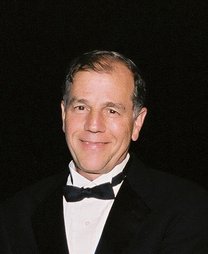


Interviewee biographical information
| Born |
|
|---|
Education
| Year | Institution | Degree | Discipline |
|---|---|---|---|
| 1951 | University of Rochester | Bachelor of Arts | Biologic Science |
| 1956 | University of Rochester | Doctor of Medicine | Internal Medicine |
Professional Experience
Institut Pasteur (Paris, France)
- 1959 to 1960 Department of Microbiological Chemistry
University of Pittsburgh. School of Medicine
- 1960 to 1961 Assistant Professor
Scripps Clinic and Research Foundation
- 1961 to 1964 Associate, Division of Experimental Pathology
- 1964 to 1967 Associate Member, Department of Experimental Pathology
- 1967 to 1974 Member, Department of Experimental Pathology
University of California, San Diego. School of Medicine
- 1968 to 2005 Adjunct Professor of Pathology
The Scripps Research Institute
- 1974 to 2005 Member/Professor, Department of Immunology
The Scripps Research Institute
- 1985 to 1987 Head, Division of Vascular Biology & Inflammation
Honors
| Year(s) | Award |
|---|---|
| 1953 to 1954 | Student Fellowship, Department of Pathology, University of Rochester |
| 1956 to 1960 | Sarah Mellon Scaife Fellow, Department of Pathology, University of Pittsburgh, School of Medicine |
| 1961 to 1964 | Helen Hay Whitney Research Fellow |
| 1964 to 1969 | Established Investigator, The Helen Hay Whitney Foundation |
| 1968 | John M. Sheldon Memorial Lectureship of the American Academy of Allergy |
| 1968 | President's Symposium, The American Society for Experimental Pathology |
| 1969 | Parke Davis Award of the American Society for Experimental Pathology |
| 1969 | President's Symposium, The American Society for Experimental Pathology |
| 1973 | Beerman Lecture, American Society for Investigative Dermatology |
| 1974 | Upjohn Lecture, Canadian Medicine Society |
| 1974 | State of the Art Lecture, The American Association of Physicians |
| 1975 | President's Symposium, The American Society of Hematology |
| 1978 | Chandos Lecture, British Renal Association |
| 1979 | Whipple Lecture, The University of Rochester |
| 1983 | I.V. Ravdin Lecture in the Basic Sciences, The American College of Surgeons |
| 1986 | Visiting Professor, Departments of Medicine and Pathology, University of Minnesota |
| 1986 | First Capri Conference on Immunology |
| 1986 | European Congress of Pneumology, Paris, France |
| 1986 | Symposium on Acute Lung Injury, San Diego, CA |
| 1986 | International Symposium on the Biochemistry and Biology of Plasma Protease Inhibitors, San Diego, CA |
| 1986 | Centennial Speaker, Frontiers in Basic Sciences of Heart, Lung and Blood Diseases, National Institutes of Health, Bethesda, MD |
| 1986 | Canadian Society of Immunology, Lake Louise, Canada |
| 1986 | Symposium on the Biochemical Mechanisms of Trauma, Snowbird, UT |
| 1989 | Altemeier Lecture, Surgical Infection Society |
| 1989 | Invited: “Conference on Inflammation”, Birmingham, England |
| 1989 | Invited: “60 Years of Surfactant Research”, Rotterdam, Netherlands |
| 1990 | Invited: “Conference on Oxidants”, Marbella, Spain |
| 1990 | President, Inaugural Congress, “International Congresses on Inflammation”; Chairman, Major Symposium and Tutorial Speaker, Barcelona, Spain |
| 1991 | Plenary Speaker, 5th World Congress for Microcirculation, Louisville, KT |
| 1991 | Chairman, Major Symposium on Structure-Function Relationship, International Congress on Inflammation |
| 1991 | Tutorial Speaker, Rome, Italy |
| 1993 | The Parker B. Francis Lecturer and Conference Summarizer, Aspen Lung Conference |
| 1993 | Invited: “Molecular Basis of Inflammation” Symposium, Heidelberg, Germany |
| 1993 | Chairman, Major Symposium on Signal Transduction; Tutorial Speaker, International Congress on “Inflammation '93”; Vienna, Austria |
| 1993 | Co-Chairman, NIH Frontiers of Science (NHLBI) “Symposium on Inflammation in Cardiovascular, Lung and Blood Diseases |
| 1993 to 2005 | Chairman, Faculty Lecture Series, The Scripps Research Institute |
| 1994 | University Lecture, University of Texas Southwestern Medical Center, Dallas, TX |
| 1994 | Visiting Professor, University of Michigan, Ann Arbor |
| 1994 | “President's Lecture” to the Annual Meeting of the Shock Society, Big Sky, Montana |
| 1995 | Recipient, Ciba-Geigy Morris Ziff Award, International Association of Inflammation Societies, Presented at “Inflammation '95,” Brighton, England |
| 1995 | Recipient, Klemperer Award, New York Academy of Medicine |
| 1999 | Lecturer, “Frontiers of Medicine,” Nobel Symposium, Stockholm, Sweden |
| 2004 | Recipient, American Lung Association “Live and Breathe Award,” San Diego, CA |
Cite as
See our FAQ page to learn how to cite an oral history.
DIMEO: [. . .] This is Michelle DiMeo. I'm here with my colleague David Caruso, and we are in La Jolla, California on June 3rd, 2024, with Charles Cochrane. Charley, could we begin by asking you to tell us some basic information about where you were born and when.
COCHRANE: Born in Berkeley, California, in 1930.
DIMEO: And who were your parents?
COCHRANE: They were Adelaide and Eric Cochrane. He came over from England as a young child and lived in Fresno, California. Then [he] went to the University of California in Berkeley, and [00:01:00] that's where he met my mother.
DIMEO: Why did your father come from England to the United States?
COCHRANE: His family had moved over.
DIMEO: And did [he] have other siblings as well?
COCHRANE: He had three brothers.
DIMEO: And your mother?
COCHRANE: My mother had six siblings. [. . .] She was the eldest of all of them.
DIMEO: And they're both from where in England?
COCHRANE: My father was from Bristol.
CARUSO: You mentioned that Berkeley is where your parents met. Was your mother attending college as well?
COCHRANE: She was also at the University of California and that's where she met my father.
CARUSO: And what were your parents studying in college.
COCHRANE: Just a variety of things. [00:02:00] I don't think anything in any major in particular. But he went on, in 1929, and opened a business of investing for personnel, for clients, [. . .] which was about a year before the depression occurred.
DIMEO: Can you tell us a little bit more about that, stories you may have heard about the struggles?
COCHRANE: Well, yeah, he had terrible struggles. And in fact, at one point, he was having such trouble he had to move down to Mexico for about six months to a year, and then come back because he just had to get away from it all.
DIMEO: Was there a business reason in Mexico or it was just to. . .
COCHRANE: No. Just had to escape.
DIMEO: Got it.
COCHRANE: But [00:03:00] he was certainly a good father to have. And I had a good mother. We had a very close family.
DIMEO: Did you have brothers and sisters as well?
COCHRANE: Yes. I had an elder brother.
DIMEO: What's the age difference?
COCHRANE: Two years.
DIMEO: And you mostly grew up in Berkeley, then?
COCHRANE: Yes.
DIMEO: Until what age?
COCHRANE: Until I was [16]. And then I went to college in the east. My brother had gone, also at about the same age, to Yale [University].
DIMEO: What kind of schools did you attend when you were a child before you moved to Rochester, [New York}?
COCHRANE: Just high school.
DIMEO: Was it a public or Berkeley public. . .
COCHRANE: Berkeley High School.
DIMEO: And could you tell us a little bit more about that experience? Did you enjoy it? Were you active with sports? Were you advanced in your classes? Any favorite classes?
COCHRANE: Well, I [00:04:00] can tell you about the sports. I like to play tennis, so I was on the tennis team. And we had we lived right near the Berkeley Tennis Club, so I could spend time there playing with others and taking lessons and that sort of thing. But Berkeley High School that both my brother and I attended was a good high school, and it trained kids to go on to college.
DIMEO: So, most of your friends also went to college.
COCHRANE: Yes.
DIMEO: And at that time did you know what you wanted to pursue, or it was more general education. . .you just knew you wanted to go to college? Or did you have a sense of your career path?
COCHRANE: No, I just [wanted] to go on to college. But it was in college [that] I decided to go into the field of medicine. [00:05:00]
DIMEO: Dave, do you want to ask any follow ups on that before we talk about. . .?
CARUSO: Sure. So can you just tell me a little bit more what it was like growing up in Berkeley during the depression. I'm always curious to know how families fared. You mentioned that your father had this business, it didn't go well, so he went to Mexico for several months. Did you go with him? Did you stay at home? If you were home, how was your family bringing in the money? I just wanted to know a little bit more about those early years.
COCHRANE: No, both my brother and I stayed at home, and my father wanted my mother to go with him. But she would not leave her children, so we stayed there. And I must say that I was unaware of many of the things that was happening because I was that young. But I know that my [00:06:00] parents would have somebody come and help in the house, and they had to select people who were not in trouble because of the depression. And we so we had good people that came. And I remember some of them.
CARUSO: Did your mother work as well?
COCHRANE: No, she did not. In those days the mothers did not work. They stayed at home to take care of the children. So, my mother was with us all the time. And my father would come home, and we'd take. . .he was particularly good about taking us up into the mountains [. . .]. And my mother would come along, and we would go up and spend a week or a month, actually, in the Sierras. And [00:07:00] then as time went on, he would take my brother and me up into the Sierras, and we would go in on horseback into the upper regions. And that's something that stayed with me, so that when I came back after finishing medical school and going into research, I would take members of my laboratory up there who wanted to go. They all wanted to go. And so, we had to have 25 kids going up. We would drive up to the eastern side of the Sierra and go in, and I would rent horses for people to ride in if they wanted to. And I always walked in, go over a pass, and down the other side and spend about five or six days there just going fishing and just enjoying the beauty of [00:08:00] the Sierra. And then we'd all come back. I remember I would have meetings every now and then, getting [all of my old students] together, and one of them said at one of our meetings that he thought that the trips into the Sierras was the best part of his education.
CARUSO: When you were taking these trips, were you living off the land completely?
COCHRANE: In the Sierras? Yes. We'd have to take all the food in with us because we'd go into the back country and there was nobody there. There would be just lakes and rivers and that sort of thing.
CARUSO: So, during these trips, did your father try to. . .? So, when I was growing up, I was a Boy Scout. And so I used to go on camping trips. That's where I learned how to start fires using sticks, that's where I learned how to chop wood, things like that. Were you doing those things, those [00:09:00] types of things on the trips as well or just horseback riding, hiking, that sort of stuff.
COCHRANE: Yes. When we were there, we had to make fires to cook food and that sort of thing. So my knowledge that I got from my father paid off. I could use that to do what was necessary. And then the people in the camp all got used to doing that too.
CARUSO: After the time that your father was in Mexico, when he came back to the United States, did he go back to his previous business, or did he launch a new endeavor?
COCHRANE: Back to his previous business, and formed a group - the three of them worked together. It was called Cochrane, Mehan, and Ayers. And they would. . .my father spent most of the time. . .Ayers was a very wealthy guy and didn't do much at all. But my father built the [00:10:00] clients up, and he had many of them who appreciated what he could do and did do for them.
DIMEO: What industry were his clientele in?
COCHRANE: I really cannot tell you. They were from all sorts of things, like in Piedmont, California. They were wealthy people who needed to get their money invested for them, which is what he did. I met some interesting people, his clients.
DIMEO: Sure. Which ones. . .do you want to talk about any?
COCHRANE: Well, I just I just met them, and we it was fun to meet them and talk to them and get along.
DIMEO: Maybe that was some form of inspiration for you, perhaps, in your career long term, do you think?
COCHRANE: That's a good point. And I think it probably [00:11:00] was a good an inspiration. Number one: how to treat the clients.
CARUSO: From those early years—you went hiking in the Sierras, you were at home living in Berkeley—what was the area like? Were you and your brother the only kids around? Were there other kids in the neighborhood that you went out to play with?
COCHRANE: We had many friends [. . .] there. And, in fact, I started playing tennis as an eleven-year-old and would go to the Berkeley Tennis Club and play there with other kids. And we became very good friends as children, playing tennis and trying to beat each other and going to school at the same time. [. . .] When [00:12:00] in middle school, as soon as the bell rang, I'd be headed for the tennis club to play tennis with other guys. And that worked out fine until I got a C in Latin, and my mother said, “You're coming home after school.” So I had to come home and not play tennis. But I played tennis really for the rest of my life until just recently. I am now too weak to hit the ball and run and that sort of thing.
CARUSO: So in addition to tennis, what other things outside of school were you doing, let's say in the evenings? Were you an avid reader? Did you and your brother play stickball in the street? What were some of the other activities you engaged with as a young [00:13:00] child?
COCHRANE: I think reading and we would have groups of kids that would get together and do various things, which was really a pleasure.
DIMEO: Were you close with your brother? [. . .] Were you close with your brother? Because two years difference. . .
COCHRANE: So, yeah, in fact. . .he went to Yale, and then I went to Rochester in upstate New York [. . .]. If I had a few extra days, I'd go take the train down to [. . .] to New Haven, [Connecticut], through New York, [New York], and spend time with him and his friends. They all lived on the campus at Yale, and so I got to meet them and made some very close friends, which was a pleasure. Something [00:14:00] else I did as a youngster was to collect butterflies. And I had a butterfly net, and I would use chloroform in a bottle [. . .] be able to take the butterflies. And I made collections of them and put them in a container that my father got and provided. So that was a pleasure. And then I learned the names of all the butterflies, which, of course, I've forgotten except for monarchs and swallowtails.
DIMEO: How old were you when you were doing that?
COCHRANE: I was in lower middle school, so I suppose I was about twelve starting to do that. And I did it through high school [00:15:00] [. . .], going out into fields where there are flowers with a butterfly net and catching them. [. . .] You're in the fields and you're enjoying the flowers, you're enjoying the whole thing as well as catching the butterflies. And I would only catch butterflies that I didn't have.
DIMEO: How big was your collection?
COCHRANE: I think there were about 35 different species of butterflies. And the other thing was growing orchids. My father took my brother [east to college after] he graduated from high school (and [he did the same then when I graduated]). But when [he took my brother] east to school, he had an orchid house built for me, which was it was about [00:16:00] 12 feet by 12 feet—a square—and all covered [. . .]. And so I started getting orchid plants, and I went and found a producer of orchids in Berkeley. And I could get little, beginning orchid plants from him and then grow them up. So it was a pleasure to see the orchids really develop and grow. And I think the whole family did, because they could cut the orchids and take them in the house as flowers for the house. That was one of the really pleasureful things. Of course, when I turned graduated from high school, he also took me to the east and we went through. . .well, first of all, to Rochester to see the various things that were there, and then to Boston, [Massachusetts], down to New York, and see the historical things in all of that area. So [00:17:00] my father did a lot for both my brother and me, getting us going, as did my mother. She was a marvelous person who, during the Depression, people would come up to the front door and knock on it who were in hunger. And she would say, “Of course, just go around the back and sit on the stairs there.” And she would bring them out a meal to eat, and then they would eat that meal and thank her and leave. But this was the Depression, and I remember those conditions. It was just a horrible time.
CARUSO: In in the evenings when you were young and your family was home, did you all eat dinner together?
COCHRANE: Oh, we did. Always ate dinner, and my mother always cooked it.
CARUSO: And over dinner, what did your family talk about? Were there discussions [00:18:00] of politics or religion? Was it chatting with the kids about what they learned at school? What did your family discuss while you were having your meals?
COCHRANE: Those sorts of things. What happened to the kids during the day at school and other things. And we would get into laughter and had good times together. And those times were a real pleasure.
CARUSO: As you were getting older, let's say sort of mid 1930s, later 1930s. . . Well, actually, let me ask this first. Did your father still have family in England?
COCHRANE: No, they were all in the in this country and in different parts. A couple of them stayed in Fresno and one was down in Los Angeles, and he knew them and stayed in contact.
CARUSO: What I was going to ask was, as we get into the late 1930s, Germany, rise of Hitler, [00:19:00] war was kind of going to be happening. . .starting. So, I didn't know if you had family in England still that was impacted and whether or not your family discussed that level of politics or the beginnings of what came to be World War Two.
COCHRANE: No, the family had all come out, so they were not there. And that was, I'm sure, a relief to all of them because there was the possibility that the Germans, as you know, would cross the English Channel and come into England to try to capture England. So that was a good thing that we did, that they did, namely leave England.
DIMEO: Do you remember hearing anyone talking about that in your household, [that is] the war coming, or how it was impacting your family?
COCHRANE: Yeah, they talked about it all the time. [00:20:00] My father, in fact, went back to New York to try to see if he could help. [People in the United States] started flying things over to England to help them, food and all sorts of things. . .and maybe even munitions. And he wanted to fly with them to help take things to England since he came from there. But he couldn't and he had to get back on the train and come back to Berkeley.
CARUSO: And what was it like once the US declared war in the 1940s? Did things change for you at all around your home?
COCHRANE: They sure did. There was a concern that [. . .]
M COCHRANE: [. . .] Oh, [00:21:00] Charley, that's really interesting, too: December 7th, when you were on the Bay and that little kid. . .
COCHRANE: Monica just reminded me that. . .you asked about the beginning of the war. We were fishing with a friend of my family's who took us over to the shallow areas in San Francisco, [California], and [we went] up like little rivers into the back country. But those were good places to fish that he knew about. So as a little kid, he took me over along with my father, and we fished during the day. And that was December [00:22:00] 7th, and we came back and [the family friend] had been in charge of a submarine in World War One. And so he knew the military. We came back home and we let him out of the car, and his wife came screaming out to say that the Japanese had just attacked Pearl Harbor. And that was what started, then, a whole series of things. We had no way of keeping the Japanese away from us. And even they could have come in and bombed the San Francisco Bay area. So we [turned off] our lights at night in the houses, which we all did. And then you're [00:23:00] constantly watching to see if airplanes came in from the west that could be bombers. And that went on for quite a while, until we started building up the ability to keep them from attacking very, very quickly. [Though] I say very quickly, [. . .] it took some time to do that while we were working quickly, or the government was working quickly with practically no military that we had. So those were unique times that [I hope] will never come back.
DIMEO: Did you have folks close to you who joined the military?
COCHRANE: Yes. And we had a guy who was from the Philippines who worked in our house and helped with the dishes and took care of things. He [00:24:00] went into the service. And so we put a. . .we, in those days, if you had somebody who went into the service, you'd put a star in your window, a blue star. If he got killed, you'd turn it into a gold star. And we had a blue star for this guy Marciano when he went into the military.
DIMEO: Did he return to your house after the war?
COCHRANE: Yes.
CARUSO: What else do you remember kind of changing around that time for you? Did things at school change? Were you going through air raid drills? Was the education changing? What was it like being a young student at that period of time?
COCHRANE: Well, I think there was just a constant awareness of the war. And every now and then there [00:25:00] would be the concern that an airplane was coming in to drop bombs, so the air raid sirens would go off all over town. And those were scary because you didn't know whether or not there would be a bomber coming in. Of course, you were supposed to go down into the basement of the schools to avoid being killed by the bombs. That kind of scariness did take place.
CARUSO: While you were in class and you weren't going into these drills or there weren't sirens going off, did the education that you received change at all? Or were people. . .were teachers teaching you about the war? Or was it just like your standard curriculum that they were. . .?
COCHRANE: Standard curriculum. Some of the teachers had gone to [00:26:00] be in the service, so we were down some of that. Also, if there was a potential bombing coming in the school, we'd all go running out the doors and down for protection. . .get out of the classroom. Interesting days. Scary days, as you can see.
CARUSO: While, you were in school, were there classes that you liked more than others? Were you a history buff? Math person? Or were you very comfortable with all the different things that you were learning?
COCHRANE: Science. I liked the various courses that they offered in various aspects of the scientific area. And those were good.
DIMEO: Could you tell us more about your science education? Did you have a lab at [00:27:00] school? Did you have. . .?
COCHRANE: No, it was strictly classes. Just classes. And we would learn in class and then take tests. This is Berkeley High School, [so] they did have a variety of scientific courses to take. But I also liked the history courses. Those were good. My brother loved history, and that's what he went into when he went to Yale. He majored in history. So with him loving history, I liked it too.
CARUSO: And so as you're progressing through high school, you're involved in tennis. You were—I forget if you mentioned this was middle school or high school—you weren't performing as well as you should have been in Latin, so you were pulled away from tennis for a little bit. But were there other activities that you enjoyed participating in [00:28:00] during middle school? During high school? Performing in school musicals or plays? Were you part of any other clubs or have other activities that you engaged with? Did you have a part time job? What else was going on for you during your high school years?
COCHRANE: Well, there was a club called Eunoia. And that was a group [that pulled students in] from each class [so] that we had about, I suppose, thirty in the entire group from ninth through twelfth grade. And these were particularly good people. [So for those] coming into the ninth grade, you were exposed to those in the twelfth grade who would talk about things that they like to do and that you might like to do. So you learn [00:29:00] what's good in the coming years, and it helps you decide what to do and what courses to take. My brother was in that same group two years ahead of me. Yeah, that was a good thing to do. It's just a shame that there weren't more students in these groups, especially kids who did not have much money. [. . .] Or black kids. And I remember when I was in my junior year there [. . .], trying to convince people in the in the club, the Eunoia club, to take in a black boy that I knew and became friendly with and have him come in to the club, but [00:30:00] they wouldn't do it. And that made me angry. I've always believed in inclusion and that people should not be considered different.
DIMEO: So the Eunoia club had boys and girls?
COCHRANE: No, just boys.
DIMEO: It was just boys. And it was primarily white boys?
COCHRANE: Exclusively white. And there were girls clubs too. So the [. . .] boys clubs and the girls clubs used to have times together.
DIMEO: Dave was asking about your high school more generally, the demographic makeup. Did you have black [students], Latino students? [00:31:00]
COCHRANE: There were some blacks. Berkeley had, on the west side next to the bay, were mostly people without much funds, low income, were staying. And these generally were people of color in those days. And I would do everything I could to turn it around and still do.
CARUSO: So when you were entering high school, your brother was already a couple of years in, were. . .you mentioned that he went to Yale, you went to Rochester. During high school years, did your family start talking about colleges?
COCHRANE: Yes.
CARUSO: Opportunities? Expectations? Since you did wind up both going to the East Coast, was that intentional on your family's part or just happenstance?
COCHRANE: With my brother, it was happenstance, And since [00:32:00] he went east, I thought it would be great for me to do too. And that's why I applied to the University of Rochester.
DIMEO: Had you been out East already?
COCHRANE: [. . . ] Well, no, I hadn't been east until I graduated from high school. And then my father took me on the train to Chicago, [Illinois], and then on to the East Coast, which was just delightful. A real eye opener.
DIMEO: How so?
COCHRANE: Well, I got to see things in Boston and New York and see what it's like there with the high buildings. And the big parks, like Central Park, which we walked through, and then the Metropolitan Museum of Art. As a youngster I hadn't seen anything like that.
DIMEO: Did [00:33:00] you visit your brother at Yale?
COCHRANE: Yes. I'd go down, as I mentioned, when I had an extra day, like a three-day weekend. I would take the train down to New York and then up to New Haven, and that's when I would see him, but I'd really spend most of my time with his pals.
DIMEO: And did you, when you settled on [. . .] Rochester, could you tell us more about that? Were there other universities you were considering? Did you consider Yale as well? Or you wanted to do something different? Did you have a clue what career path you wanted yet?
COCHRANE: Well, I liked science, and I thought maybe medicine would be a good thing to do. And they had. . .I could take courses there but either at Yale or in Rochester. But I thought it would be good to go to a new university [00:34:00] and one that not many people knew about. So that was that was Rochester.
CARUSO: So that begs the question, how did you know about Rochester?
COCHRANE: I had a friend who had gone there and liked it a lot. So, of course, I was making the decision without much knowledge about it—the school and how good it was—or myself and how good I was. And I wouldn't be getting a C in Latin, hopefully. So at any rate, I went off to the university there and then stayed on to the medical school because the medical school was really good.
DIMEO: What was Rochester, as a city, like?
COCHRANE: It was. . .you know, that was Eastman Kodak, [they] put lots of money [00:35:00] into it. And they also built the campus, the undergraduate campus, and put all the money into the buildings that went there. And that's why a lot of it was built for science. But with Eastman Kodak and all the good things that there were, there was a big boulevard that had all these wealthy people living on it who were working at Eastman Kodak. And, you know, you see all those things and it's kind of a stimulant to them. And others don't like it. But I liked it. And I met some of the people who lived there while I was in college.
CARUSO: When you matriculated to the university, you mentioned that your [00:36:00] father took you on this trip visiting various sites on the East Coast. Once you were left at the university and he headed home, what was it like transitioning into college for you? Did you struggle at all with the distance away that you were from Berkeley? When winter hit, was that a bit of a surprise for you? What was it like becoming a college student, living kind of on your own, and being in this northeastern environment?
COCHRANE: I loved it. And when we'd have a snowstorm, I loved that. I just couldn't stop looking at the snow outside the windows or walking around in it, or making snowballs, which I'd never considered doing. And we would have snowball fights, the other kids and I. I joined a fraternity there, Delta Kappa Epsilon, which happened to be the same fraternity my father was in at the University [00:37:00] of California at Berkeley. And so I joined that in the end of my freshman year. And so, again, a series of good friends that were there. [. . .] We had a reunion, a fifty-year reunion, and Monica went back with me and saw the fraternity house and a bunch of the people who were there and saw Coke Dales [. . .]. He was a football player who was a tremendous football player, but he got boomed in the head and at one point he was unconscious, and that kind of damage had its effect for later life. And we saw that in him at that time at the fiftieth anniversary. He was unable [00:38:00] to talk much with people [. . .]. That's the evidence of the damage that can occur as a young person. That's why I learned later that high school kids should not play football, because they are especially damaged and subject to trauma. They still do play high school football. And I know everybody comes to see that, but from it is going to come damaged heads.
DIMEO: Did you live in a fraternity house for. . .from your last four years, sophomore, junior, [and] senior year?
COCHRANE: Really just sophomore and junior [years]. We had to live in the dorms as freshmen. I did that and then moved after. . .I think [00:39:00] it was the sophomore year that I moved into the [fraternity]. It could have been the junior year [that I] moved into the fraternity. [. . .] If you're rooming with a certain person, you get to know them really well. And I did that. I roomed with a guy named Dick Bakemeier and then both of us went on to medical school I went [. . .] to the University of Rochester because the dean of it was a man named George [H.] Whipple, and he'd been in San Francisco, but he did not want to go back and start a new medical school [at the University of Rochester, since it did not have one at the time], until [the university]really got after him. Some of the senior people from Kodak and so forth got him to start a medical school, because with a medical school, it would add so much to [00:40:00] the city of Rochester. And it did, even though we had classes of [only] about 70 students [. . .], all men. It wasn't until my third year that they allowed two women to come in to the class. Now it's fifty. . .over fifty percent.
DIMEO: [. . .] When did the school start, the medical school at Rochester? [. . .] You said Whipple was pressured by Kodak to create this school in Rochester and bring the money. When was that?
COCHRANE: Oh, I think probably about ten years before I went to the school. So about 1940 something.
DIMEO: So you're one of the earlier cohorts, then, when you went there for medical [00:41:00] school in 1950, '51?
COCHRANE: Well, it was well developed, and they had a marvelous faculty and caring for patients and so forth was just. . . Well, of course, they brought in people from all the medical schools around [the country] to be there. And [. . .] the other professors loved coming there to be the professor there.
CARUSO: Can you tell me a little bit like. . .So you had this potential interest in medicine. When you started your freshman year, what courses were you taking?
COCHRANE: Took anatomy and biochemistry. [00:42:00] We had just a few. And then we would switch the next year. But the anatomy lasted for a year. And so we learned all the anatomy of the body by dissecting a human body and then taking biochemistry at the same time. And that was about what the chemistry. . .
CARUSO: As an undergraduate or in medical school?
COCHRANE: I'm sorry, in medical school.
CARUSO: So, I was wondering what classes you were taking when you entered as an undergraduate. Since you had the interest in medicine, was there a curriculum that was focused on people who might pursue medicine as a degree, or was it more of a liberal arts education?
COCHRANE: It was a combination of the two, but the there were scientific classes that I could take that were like what was called chordate anatomy, which [00:43:00] is the anatomy of animals that had spinal columns. And we did that course in chordate anatomy. Also, the chemistry courses were related too. And their biology courses as well. Their chemistry courses related to the chemistry of the body. So those were eye openers to go into medical school.
DIMEO: [. . .] I was just going to ask about your education. Was your undergrad education your first time working in a laboratory setting, or did you have to wait till you got to medical school?
COCHRANE: Medical. Well, we did laboratory work in chemistry courses and in biology. But it [00:44:00] really came to life in medical school.
CARUSO: What sort of experiments were you performing in those laboratory classes?
COCHRANE: Just putting together chemicals that would then produce something that we knew existed. But it was to show us how that final product was made. I can't remember much more than that, to answer your question.
CARUSO: Sure. In addition to joining a fraternity, were there other activities that you were doing in addition to taking your classes?
COCHRANE: I was on the tennis team.
CARUSO: So there was an official tennis team at the university?
COCHRANE: Oh, yes. And we would take on [00:45:00] tennis teams from other universities too. So I got to meet a bunch of young people from other schools [. . .] and get to know them, which was a pleasure, even though I tried to beat them on the tennis court.
CARUSO: And if what I read is correct, you played in the number one position for three straight years from your sophomore to your senior year?
COCHRANE: It was really my sophomore, junior, and senior year that that happened. And what I really learned was. . .the courts that we had, they were asphalt, so they weren't smooth cement and when I got into [. . .] playing on the number one court, there was a fence right next to it that had rose bushes on it. So I learned to serve. If I throw the ball behind me and hit it so that the ball was going like this, it would hit the court and go right up the rose bush. And in order for my opponent to get it, he'd go right into the [00:46:00] rose bush. He'd be pulling the thorns. . .
CARUSO: And had you ever consider potentially pursuing tennis professionally?
COCHRANE: You know, not really, because I wanted to go into medicine, and tennis was something that was on the side, and it was a real pleasure. In medical school, in the winter we couldn't play because there was snow all over the surface. But I learned to play squash, which was an indoor game, and we could play that. And that was a different kind of game and so forth, but similar with a racket and balls and learning to hit the ball. So that was a good. . .you know, when you're going to school full [00:47:00] time and you're taking lots of courses and then you're going to be working all night on the homework, getting out of out of class and then getting some exercise, like playing squash, was a real pleasure.
CARUSO: So as you're progressing through your undergraduate education, you're. . .let me ask you this, how many courses were you taking per semester?
COCHRANE: About five courses per semester in various areas [. . .]. I took courses in German. I took courses in science. And courses in biology and courses in history. I took them all.
CARUSO: And just a quick question, since this is also after the GI Bill [Servicemen's Readjustment Act of 1944], [00:48:00] were there any World War Two vets in your class?
COCHRANE: There were in medical school.
CARUSO: All right, but not in undergraduate. At the end of your freshman year, did you travel home for the summer? Did you stay in Rochester?
COCHRANE: No. No, i came home for the summer.
CARUSO: And during that summertime period, what were you doing when you were at home? Was it just a period of time to relax? Did you get a summer job?
COCHRANE: Yeah, I'd get a summer job, usually over in San Francisco. And I'd take the train over. My father knew various companies that were involved in doing work to help. . .work in the investment business. And so I could get a job in one of those because they knew my father and that got me [00:49:00] the job. [. . .] Then I'd be over in San Francisco, and I could [. . .] walk around during lunchtime and see things and learn more and more about San Francisco, which was good.
CARUSO: And so then, was this the same for your sophomore and junior years, where you returned home during the summer, took a job?
COCHRANE: Yeah.
CARUSO: When you started to think about medical schools, were you already set on applying to the University of Rochester? Or were you going to use this as an opportunity to maybe explore different portion of the country and education?
COCHRANE: I wanted to go straight into George Whipple's school. And in fact . . .
CARUSO: Did Rochester have a program where it was sort of an easy path for undergraduates to go into the medical school there? [00:50:00] Or was it an additional application process, and you had to be accepted?
COCHRANE: No. The undergraduate school was strictly separate, and each course was. . .nobody talked about going to the University of Rochester School of Medicine.
DIMEO: So were you one of the only ones in your cohort that went to Whipple's school?
COCHRANE: Well, my roommate, Dick Bakemeier, he went too. There were several who went on to the university, to the medical school.
DIMEO: And the rest of your colleagues or your student mates when you went to graduate school then were very different, it sounds like. You had a few people you knew, but. . .did you say your class was about 75 or so in medical school?
COCHRANE: Seventy.
DIMEO: And a lot of people from different areas that you did not go to undergrad with, then?
COCHRANE: Yes, from all over.
DIMEO: Right. Was it international as well or just national?
COCHRANE: No. Just national.
DIMEO: Did [00:51:00] you continue to live on campus in a. . .
COCHRANE: Always [as an undergraduate. But], no, not in the medical school. In medical school we had to live in the neighborhood. And it was easy to find places to live.
DIMEO: Did you have your own place, or did you roommate with your old friends?
COCHRANE: Well, we had three of us in the house that we lived in.
DIMEO: All medical students?
COCHRANE: Yes. And different years.
DIMEO: Oh, okay. So what was it like going from undergraduate education to medical school? Was it more coursework? Was it longer days? Tell us a little bit about how the education system started to change for you.
COCHRANE: It was pretty much the same quality, but everything we were doing in medical school involved [00:52:00] things we needed to learn and keep in our brains in order to go into medicine. And that that was quite different. And we were all together, [. . .] the whole gang, as opposed to undergraduate, where people are going to be doing different things. And a very high quality of classmates in medical school.
DIMEO: What about the professors? High quality?
COCHRANE: Oh, yes.
DIMEO: Who were some of your favorites that you worked with in medical school?
COCHRANE: In the professors or the courses?
DIMEO: Both. Yeah.
COCHRANE: Certainly pathology was one.
DIMEO: What [00:53:00] did you like about pathology?
COCHRANE: The professors were very high rate and worked very carefully with the students. What we were learning was everything about the human body and what happens when you get diseases, what it does to the various parts of the body. So it was learning a lot about what we would need to know in the coming years, not just a segment, like being in pediatrics or gynecology and so forth, which is a part of medicine that you're learning. This was everything.
CARUSO: You [00:54:00] mentioned that your first year was a year of anatomy. And what other courses were you taking?
COCHRANE: I have to think back. I guess I needed a course in memory [laughter].
DIMEO: You mentioned biochemistry.
COCHRANE: Biochemistry. It's difficult for me to recall the exact courses.
CARUSO: And as you were. . .so when you came into medical school, you wanted to be a physician. Did you have any sense of what you might want to. . .or if you wanted to specialize in medicine, were you looking to be a general practitioner? Were you waiting [00:55:00] to get through medical school to figure out what you might want to specialize in? What was it like. . .what were your initial ideas about what your future profession was going to be once you became a physician?
COCHRANE: That's a good question and an important one for me because I wanted to go into internal medicine, like a general practitioner, because [. . .] you're seeing all the different kinds of things that adversely affect human beings. There was a choice of classes that you could take in the third and fourth years, and I did those that would help me get into internal medicine.
DIMEO: I wonder, did that spark maybe that interest in pathology and enjoying those classes? Was that a natural extension from that?
COCHRANE: Just a natural change.
DIMEO: So what kinds of third- and fourth-year courses did you have to take [00:56:00] to get into internal medicine?
COCHRANE: I'll have to take that course in memory again. [laughter] I just don't remember that. We took courses for gastroenterology and cardiology and neurology.
DIMEO: [. . .] A really a little bit of everything.
CARUSO: So what happened. . .? No. Go ahead. Sorry.
COCHRANE: The teachers we had were specialized in those areas.
CARUSO: So what happened that you changed your mind about going into internal medicine?
COCHRANE: And going into science?
CARUSO: You had planned to go into internal medicine, but then [00:57:00] you didn't. So what happened to change your mind?
COCHRANE: I left medical school with the idea that I would go into internal medicine. There [were] patients that had problems for which there was no real answer. And I thought, “gosh, maybe they have immunologic reactions to themselves, autoimmunity, that is causing these problems: loss of vision, loss of hearing, and that sort of thing. So I decided when I left the medical school to go into learning immunology. [00:58:00] And I looked around the country to find places where it was done, and there was really only one place that had anything serious in immunology, [. . .] which was the University of Pittsburgh, but the there were five young people, average [. . .] age was 29, and they were the Department of Immunology. And so I went there.
DIMEO: And so you finished medical school in. . .was it '55?. . .with a medical degree. And then you were looking. . .and then you went to the University of Pittsburgh. Was this like a postdoc or. . .?
COCHRANE: Yeah.
DIMEO: It was. . .okay. And that was '56, right? [. . .] So tell us a bit about this, then. . .this experience. You're at Pittsburgh now. How different is this from Rochester? [00:59:00] What are what are the classes like? The campus? The opportunities tell us a little bit about what you experienced.
COCHRANE: When I went there I didn't have a job, I didn't have a position in the university, so I could just do research. And what I did was to start doing work in the laboratory that was similar to some of the others [working in the lab]. And this was doing antigens and antibodies. And then after a year of doing that, the [U.S.] government established the National Institutes of Health [NIH] and they would give funds to do research based upon an application that you'd send them. So amongst and with the others, I was one [01:00:00] who also sent an application to get funds for the things I was doing with antigens and antibodies. And I got a grant, so that paid my salary and for all the things I needed in the laboratory, even though I was getting them from the head of the institution where I went. . .the head of the department.
DIMEO: Yeah, I guess that's what I'm wondering. You didn't have a job. You were just doing research. Did you have a professor who said you could join his research group? Who was that?
COCHRANE: Yes. Frank [J.] Dixon. Okay.
DIMEO: And how did you know Frank Dixon?
COCHRANE: Well, this was the group of five that I visited when I went around trying to find some areas doing immunology.
DIMEO: And he said, 'If you come here, you can use my lab, work with me. . .?'
COCHRANE: Well, [01:01:00] he had several labs that were there. And so I got to use one lab. And I didn't. . .after about six months, I saw areas that I would like to work in, and they would require learning how to do things that the others were doing. One of them was using the fluorescent antibodies. And you take an antibody molecule and tag it with a fluorescent substance. So if you look at it under ultraviolet light under a microscope, you can see where that protein was. And so I started doing that. And the one who invented that system of fluorescent antibodies was a man named Albert [H.] Coons from Boston, from Harvard [University]. And I got [01:02:00] to know him. And I was the only one in the lab of the various people using the fluorescent antibody to look at things, and I did it in the various tests that I was doing in experimental animals.
DIMEO: Was this. . .this is the work that was supported by the NIH?
COCHRANE: Yes.
DIMEO: And who else was working with you on that project? Dixon?
COCHRANE: Well, no, I'd be working on it alone.
DIMEO: Was it...? On your own. Okay, then.
COCHRANE: Because I had my own grant. But the others in the group were a guy named William [O.] Weigle and Joe [Jacinto J.] Vasquez; a young fellow named [G.] Barry Pierce from Canada.
DIMEO: And what were their roles? Could you tell us a little bit about what. . .? [01:03:00]
COCHRANE: They were doing completely different science. And one named Joe [Joseph D.] Feldman, and then Frank Dixon was the chairman of the department. And after. . .well, one of the years I had permission to move to a different place, to learn from different scientists: new things that I then could apply to my own research. And so I looked around and I decided to go to the [. . .] Pasteur Institute - La Institut Pasteur de Paris, [France]. And so I had to learn French to go there. I took courses at one of these schools that teach foreign languages, for six months. And [01:04:00] when I went over to Paris, I didn't understand one word anybody said. But in the end, when I'd go out to Insitut Pasteur, I would speak English. They all spoke English. And then when I got [to the point that] I could speak a little more French than they spoke English, we switched over entirely. And then that was really good. And since I had an NIH grant and we had been doing science for quite a while before then, I actually knew more science than they did.
DIMEO: Well, how long were you on the NIH grant for in Pittsburgh? One year? Two years?
COCHRANE: Two years.
DIMEO: Two years. Okay. And then did you have to publish anything at the end of that time?
COCHRANE: I didn't have to, but I did.
DIMEO: What did you. . .what was that publication?
COCHRANE: Well, it was about antigen antibody complexes.1 And the first ones were with Bill Weigle. I have them all in the other room there [Cochrane] gestures to another room in his home].
DIMEO: And [01:05:00] is that your first publication? [In] 1957, I think?
COCHRANE: Yeah. And then I learned that you should always have the chairman of the department on [the paper], too. So we put Frank Dixon's name on as well.
DIMEO: I see, yeah, but he wasn't actively involved, but you have to do that, right?
COCHRANE: But over at Paris, I then got. . .so I spoke more French than they did English, and we'd speak entirely French. And then, in fact, I was asked to give lectures on my work there at the Pasteur and then down in Lyon, [France]. And that was a real pleasure: to give lectures in French.
DIMEO: So this was 1959, I think. So you spent two years in Pittsburgh, you've got your first publication, and then you decided to go to Paris and the Pasteur Institute. Did you know someone there already?
COCHRANE: No, no. And they were all new and [01:06:00] just delightful people. And one of the things we did, was they'd have. . .this is a joke. The Friday afternoons, we'd all have a cup of tea together in the director's, [. . .] a guy named Pierre Grabar, in his secretary's office. And we would all go in and talk with each other, which was a real pleasure. And then every now and then somebody would tell a funny story. And one day he told a funny story, and I understood one side of the meaning, which was not terribly funny, but they were all laughing off their heads at what he had said. And so it was a naughty side that I didn't [understand]. So when everybody left, the secretary came over and whispered in my ear what the naughty side was.
DIMEO: Nice. That is [01:07:00] one of those struggles, right? You can learn enough professionally to get by in the lab, but it is those moments that happen at tea or at the bar afterwards that, you know, when you start to really forge friendships with people. And I could imagine the language is a bit of a difficulty there for you.
COCHRANE: So that was a great year, being over there and then learning what France was like and meeting French people and going out to the Louvre. And it's not just science, it was being in the art world as well.
DIMEO: Yeah. So who can you. . .? So your one year that you were there, could you tell me who you worked with in the end? What department were you at?
COCHRANE: They were had good people there, but they just weren't doing much science at all because they didn't have NIH grants, and they were just trying. . . That's why they thought what I was doing was so important.
DIMEO: Dave, I don't know if you want to jump in.
CARUSO: Yeah. I mean, one question that I have is. . .we [01:08:00] asked you about college experiences and labs. I know that in medical school you were taking part in certain types of labs, but you weren't you weren't trained as a traditional scientist, right? And I'm wondering, when you started doing research, how did you know what you should be doing in order to undertake that research? Had you ever worked with. . .doing experiments in living animals? With extracting samples? With analyzing data? With. . .I don't even know what equipment was available to you in the lab. Were you familiar with that equipment? Like, how did you learn how to be not just a physician, but a scientist who is doing medical research?
COCHRANE: Well, that's when I left medical school after graduation and went down to Pittsburgh. They [01:09:00] were all doing science there and nothing but science in that group. So I really learned how to put things together there with them.
CARUSO: So you were collaborating with them to figure out how to construct the experiments and how to run them?
COCHRANE: Really with a guy named [. . .] Bill Weigle. And then I picked up things on my own after I got basic things together. One was how to work with animals if we were going to do studies in animals. I picked that up there as well.
CARUSO: And when you're undertaking this research [. . .], you mentioned that you had developed an interest in the body's responses. . . Were you thinking, you know, in addition to doing research, I still want to be a physician? Or were you now moving in a direction where it was like, “I'm [01:10:00] doing research, not necessarily because I am interested in seeing patients, but because I'm interested in medical research”?
COCHRANE: That's exactly what happened. I got so interested in the science that I couldn't get away from it. And everything was new. And when you [find something new], then you realize there's something even beyond that that you can get into. And that's what just kept me going. The other thing was that, in science, especially after we moved out to the West Coast, I could have postdoctoral fellows come and join me—we can get into that in a minute—but then everything just builds on itself.
CARUSO: And when you were doing the scientific work, were you aware of any organizations out there with people who are doing things similar to [01:11:00] you? I know eventually you join a lot of societies [and] organizations that focus on various aspects of science. But were you aware of those organizations existing? Were you aware of other physician researchers who were who maybe had a PhD in addition to their MD? Like, did you have any knowledge of who was out there?
COCHRANE: Yeah, it was easy to do that because you go to meetings and people would be presenting their scientific work, and you'd go to the ones that are similar to your own. Then you get to meet those other scientists who are doing similar but different work from your own so that you could talk with them about how you're both going from that point on. So that really spread me out.
CARUSO: How did you find out about those meetings? Was it from colleagues?
COCHRANE: Oh, no. They're big, big meetings that we'd all go to. They're put on every year [01:12:00] by the same organization. We would all go to the meeting and spend four or five nights there, staying and going to the meetings during the day. Then we'd really get to know the other ones who were working in similar areas, if not the same as our own. And you really get to know them and have a good times together, not only in science, but having a good drink and dinner afterwards, [. . .] becoming really good friends.
CARUSO: And during this period of time, did you start to think about where you wanted to do the science that you were doing? Were you starting to. . .because you mentioned you went to Pittsburgh for a specific reason, right? It wasn't a top tier school, but there was a group of people there that was doing stuff that you were interested in. [01:13:00] As you're pursuing this area of science, were you thinking about. . .you got a grant, so you're at Pittsburgh and you had this opportunity to go to the Institut Pasteur. Were there other places that you were considering going to?
COCHRANE: Not really. I was asked to go to a couple of other places and go on their staff, but I wanted to stay exactly where I was and do the research I was doing, which was, after a year or so, it was unique in the laboratory. I was doing things that nobody else did. So I got the grants that I was doing that nobody else was, and that made me a separate individual. When we then moved and came west—and we can get into that [later]—that became very important.
DIMEO: When [01:14:00] you applied to the Institut Pasteur. . .is that the right terminology? Did you apply to be hosted there? Did you have a job lined up? Like how did you. . .I'm guessing you were writing letters back and forth to Paris?
COCHRANE: Yes. I wrote to Pierre Grabar, who was the head of it, and told him that I'd like to come over and spend a year doing science with his people. I was accepted by him. And there were others I could go to who were probably more in the area than I was, but to go to Paris? Something completely different was something I chose to do.
DIMEO: Did it come with a financial package?
COCHRANE: No. I brought all. . .
DIMEO: Okay. Lab access? Okay. And [01:15:00] it was one year, 1959, when you decided to move out there and spend the year with them. Was it. . .I have the Department of Microbiological Chemistry. Is that where you started at in Paris?
COCHRANE: In Paris? Yes.
DIMEO: Yes. Okay. And who was. . .who did you work with there? Was there any. . .?
COCHRANE: Pretty much by myself. I worked in a laboratory with another very nice guy, but whose name is. . .I just can't pull up.
DIMEO: But he did. . .he shared a laboratory, but not necessarily doing research with you. Right? Is that Accurate? Okay.
COCHRANE: But what I tried to do was do the work that they were doing, [01:16:00] which was okay. I thought, “I could do that.” It wasn't terribly serious, that kind of work. And it wasn't immunology.
DIMEO: What was it?
COCHRANE: I'd have to go back and [check my notes].
DIMEO: Okay. Did you get to do some of your immunology work while you were out there?
COCHRANE: No, not really. I gave my talks in immunology, which they all liked to hear something completely different. But I must say, getting to know the people there in Grabar’s organization was a delight. Such neat people.
DIMEO: So when you were. . .based on that experience and you're wrapping up in the 1960s, what are you starting to think about your career paths or how [01:17:00] do you want to grow from this experience that you had in Paris? What's going through your brain at this time?
COCHRANE: I was doing my immunology. And the kinds of studies that I was interested in doing—and did do—each one which was novel, and each one produced more novel things. So that's what was governing me. And it started with the antigen and antigen antibody complexes and the inflammation they produced, and then that got me into studies of inflammation. What was there in inflammation that was causing the damage? And I started that in Pittsburgh. Then, I told you that we, [01:18:00] at the University of Pittsburgh, all had grants. But the [. . .] president of the university wanted to take all of our grants through his office and be reviewed to decide whether we should get them or not. But we all gave him the middle finger and [. . .] left the University of Pittsburgh. I wonder if he realized the mistake he made in losing this group [. . .] because our group of five was producing so much science and [published] in journals and so forth that we became very popular. And that's [why and when] we decided to leave the University of Pittsburgh. We had a number of different places that wanted to pick us up, but one of them that we did do was out here with Edmund [L.] Keeney at the at the Scripps Clinic.
DIMEO: That [01:19:00] was. . .Dave. I don't know if you want to get into a Scripps Clinic or talk about the 1960s, or is there anything else we should cover?
COCHRANE: That was 1961.
DIMEO: Anything else to cover in the late '50s?
CARUSO: Nothing that was. . .that came to my mind specifically. I mean, you did mention that there were places interested in these people from Pittsburgh. And I was curious to know how did places reach out to you all to say, “Hey, look, we know you're at Pittsburgh, but why don't you come here?” How are you being contacted? How are people finding you?
COCHRANE: Well, we would—I especially would—be giving talks at these meetings. And so people would listen to the talk and [01:20:00] they'd think, “Well, that's something that we'd like to have in our organization.” So they would ask me to come to their organization. And all kinds of really good universities that I could have gone to, but I wanted to stay right where I was and finish there.
CARUSO: That's all I wanted to ask Michelle.
DIMEO: Okay. You mentioned working with. . .having your own postdocs. Did that happen for the first time in Paris, or was that when you came back?
COCHRANE: When I came back and we moved out here to California.
DIMEO: Okay. So let's turn to that time, then. This is 1961, is it, when you decide to move back here? Tell us a little bit about what's happening.
COCHRANE: That was the big year. Well, Ed Keeney [. . .] [01:21:00] wanted to have some science along with the physicians in the Scripps Clinic. So he asked us to come out and he built a new building for us with a one extra floor. So we took floors one through four, and then the fifth floor was on top, which I'll get to in a minute. And we each got labs there.
DIMEO: And who's we? You've been saying we.
COCHRANE: We: Weigle, Feldman, Dixon, myself. And [01:22:00] we went to work in our labs. And the idea was that. . .and then he gave us a lunch to have with the clinicians—a free lunch—and we'd all come together. And he wanted. . .he thought the clinicians who would have unsolved problems with their patients could then talk with the scientists and tell the scientists about the problems. And then the scientists could even do some studies to find out what the problems were with these patients. The difficulty that he faced was that when we scientists got together, we were talking our science with the others, and we couldn't stop talking. So yes, we met the clinicians and enjoyed being with them, but we didn't do much of what Ed Keeney wanted us to do. But Ed was a marvelous human being, and he really liked having all the work we were doing and publishing papers, which was adding [01:23:00] a lot of knowledge, a lot of pleasure of people have in knowing about the Scripps Clinic and Research Foundation, which was what it was called. The other thing is that we were. . .back in Pittsburgh, Jonas [E.] Salk was there, and he had his rhesus monkeys and he vaccinated the rhesus monkeys with polio virus—killed polio virus—and found that when he would challenge them with active polio, that they were resistant and not get the disease. And I got to know him there in Pittsburgh, which was a real pleasure. And then he moved out to the West Coast and had the fifth floor in our department. So he was there. He didn't do much work in that [lab] because they were building the Salk Institute [for Biological Studies in San Diego, California], which [01:24:00] is huge.
DIMEO: Did you first find out about the Scripps opportunity while you were in Paris? Or did you move back to Pittsburgh after Paris? Or did you go directly?
COCHRANE: I went back to Pittsburgh for the final year, and that's when we were making the decision.
DIMEO: And that's when you made the decision. Okay. Yeah. And what was the reputation of Scripps like at this time, 1960/61?
COCHRANE: Zero. There was nothing there.
DIMEO: So tell us more. Did that feel like it must have been exciting to be the start of something new? Maybe scary? Was it a risk?
COCHRANE: Getting our new labs. . .because in Pittsburgh we were sort of working in a mixture [of lab spaces], [though] each one of us had a lab. So [01:25:00] this is the beginning of the growth of the research institute [at Scripps]. And we could grow because each of us had research grants. And we would continue to do our study in that area, and new areas [. . .] kept coming up that we would discover. . .that, gosh, these three [experiments] are saying that there's one more thing that's needed and that's the fourth, but we need to learn about it. So then we would start doing studies in that fourth area and we'd get a new grant to do that.
DIMEO: Is this NIH funding?
COCHRANE: NIH funding, which we would apply to. And it's peer reviewed, so. . . And then I actually ended up being on one of the peer reviewer [panels], which are the scientists going over other grant applications. But [01:26:00] we then kept building that. And the other thing we put into our grant was that there were young people who wanted to come and work in our lab and find out what we were doing and learn what we were doing because they were interested in that. And these were the postdoctoral fellows, so they all had degrees. And so they would then learn work in our lab and learn what all the science was and build up [knowledge and experience] that way. And so I would, in my grant applications, put more into [the funding request] to bring in more postdoctoral fellows. There was one particularly good [fellow]. He was in England and he wanted to come over. His name was Rodger Allen, and I didn't have a grant for him at the time. And I said, “Rodger, I'm sorry I can't take you right now, but give me some [01:27:00] time.” And about six months later, I got a new grant that would fund another postdoctoral fellow. So I wrote him a letter and said, “I've now got a grant, you can come.” And he said, “I can't believe it.” He'd taken a different job, but he left that other job anyway and came out. He was, I think, about twenty-two years old when he came to the lab. When they'd come to the lab as a postdoctoral fellow, I would tell them the various areas that were being done in the lab that they might be interested in, and they would select the area they'd like to be in.
So Rodger came and I said—he's very tall and one of the best-looking guys I'd ever seen in my life—and I said, “Rodger, here are the various things that you could be interested in.” He made a selection. But then I noticed [01:28:00] in the next three or four days, there were young women who kept coming to the lab that I'd never seen. They all wanted to eyeball Rodger and maybe try to get to know him. [laughter] I tell you, he was just a fabulous guy. [. . .] I had such great interest in the postdocs, and [I would] make sure they had their names on papers that were published so that after three or four years, they could get jobs on the staff of other universities. And they did. They spread out all over the world. And then I had postdoctoral fellows coming from not only England, but from Poland and Germany and France [...].
DIMEO: Let's talk a bit about that. You were running the Division of Experimental Pathology [01:29:00] at this time at the Scripps Institute, is that correct? The Division of Experimental Pathology. Is that what you were. . .? That's where you're based right now. And are you. . .are people finding you and writing to you? Are they including a sample of their writing or research and saying, “Would you consider me?” Or do you have people in mind that you said. . .? They're writing to you.
COCHRANE: They would write to me. I didn't know any of them. But they'd hear me give a talk or they'd read the articles I'd written. And so they wanted to come and learn about that.
DIMEO: So as far as Poland, people are hearing about your work and writing to you, saying they want to come.
COCHRANE: Yeah. [. . .] And I was asked to give talks in Poland.
DIMEO: What other places? So, England. Poland. Where else is your work being respected and heard?
COCHRANE: All over this country. But also Italy. So it [01:30:00] became a worldwide. . .oh, and Japan. I had postdoctoral fellows coming from Japan.
DIMEO: What is the. . .what piece of your work seems to be resonating with these international audiences? What's starting to really build your reputation?
COCHRANE: Oh, just the studies. . .the variety of studies we were doing in vitro in the in the lab, but also in experimental animals.
CARUSO: Can you tell me a little bit about what it was like. . .so you get to Scripps. . .prior to being there, you were. . .it sounded like you were an independent researcher, right? You had your money, you did your work, you published your results. You might have spoken with other people in the lab. You had learned some stuff from them in the early years, but you were the researcher doing your research. As you start [01:31:00] to take on postdocs, as you're bringing people into your lab, does your role change with respect to the science that you are doing yourself? But also with regard to the people on your lab, did you have to take on like management responsibilities to ensure that these postdocs were getting their work done? Were you overseeing their work? You know, writing articles with them? How did the nature of the time that you committed to your own work change, if at all, with regard to having these responsibilities for other people?
COCHRANE: Well, you got to realize that the postdocs that were there were doing my research. So we did it together, and we were talking all the time. We had. . .on Mondays, there would be two or three who would give a talk about what they'd been doing. And [01:32:00] I would also be giving talks like that on Monday mornings. So it was really sort of a combination, but each one was unique in what he or she were up to. And I was the same. So it was, I tell you, a real pleasure to have this big group together all doing similar work, and that they would keep telling their associates what was happening. And they would learn. They would somebody would say, “well, you know, if you did this, it would solve that problem.” So it was a good unity that we had, but we didn't have anybody on the outside telling us to what to do. I would get. . .of course, I knew what all the others were doing. So if there was something I could add that would help [01:33:00] them, I would tell them about it. [Afterall, it was my basic research work]. The other important thing was that the chairman of our department, Frank Dixon, could not tell us one thing that we had to do, and we did much more science than he did. In fact, it's interesting that I never saw him do any science. I never saw him with a pipette in his hand or tubes with fluids in them that he was adding things to. He was he would sit back and watch everybody else.
DIMEO: Was he more of the manager, would you say? Was he in a managerial role?
COCHRANE: Well, no, because he couldn't tell us what to do.
DIMEO: That's true.
COCHRANE: He just had to keep the place alive [. . .]. [01:34:00]
DIMEO: It sounds like you took your mentorship role quite seriously with your postdocs.
COCHRANE: Oh, well, so that they would feel independent, and they could learn things [. . .] and be on so many [. . .] research articles that became publications that they would be offered positions as assistant professors [in other institutions].
DIMEO: And did that happen? Were they successful?
COCHRANE: Yes. Oh, they did. It was really, really good.
DIMEO: How many postdocs passed through your lab over the years? Do you know, roughly?
COCHRANE: Over one hundred, [from many countries: the United States, Canada, England, France, Italy, Germany, Poland, Japan, etc.].
DIMEO: Wow. Okay.
COCHRANE: In fact, [in 1995, two of my postdocs arranged a festschrift—an all-day symposium]—they all decided to come back and be with me and thank me for the time [they spent in my lab]. I have a picture of this: about eighty of them came back to [01:35:00] just to thank me for what they learned and did in the lab.
DIMEO: Do you remember when that was?
COCHRANE: I think it was about 1999, right towards the end.
DIMEO: That's lovely.
COCHRANE: And to see your postdoc—most of them didn't know each other [since they had been in my lab at different times]—but they all got up in an auditorium and each would present the work that [they were] now doing to the others. And it made them all feel good. But they didn't know each other [. . .].
DIMEO: Do some of them stand out in your minds, that maybe they went on to something that you felt like you influenced them, or just someone you had a strong relationship with?
COCHRANE: They all took the work they did in the lab and the knowledge [01:36:00] they had in the lab and put that. . .they either kept that going or they would expand it in a different area. [. . .] And they became professors and full professors. [. . . ] When they left the lab, they were all at least assistant professors. So they had a new, good life, just like I had had.
DIMEO: And did you keep in touch with some of them? I know they all came back, but you continued to keep in touch? Yeah. That's lovely.
COCHRANE: We were all not only scientific colleagues, we were friends and families. The families all knew each other. Many of them were not married when they arrived, but they were married after they left.
DIMEO: Well, I was going to ask what was it like? Because Scripps is just getting started. It's pretty small. What is this area like? Is it built up? Does everyone know each other? Are you all living and working in the same. . .? Is it. . .does it feel like a [01:37:00] very small, intimate community at this time?
COCHRANE: We all knew each other, and we kind of kept an eye on what the others were doing because we were good friends. And they knew the postdocs that they would bring in. We got to know them, too, and the work they were doing. So that was a real pleasure.
DIMEO: Did people live in San Diego and commute? Or are you living right around the Scripps campus?
COCHRANE: Some would live up in Del Mar, [California], area and then would come down. But in general, they lived in the in the area here.
DIMEO: Around La Jolla somewhere.
COCHRANE: And, you know, it's a pleasure having them come from different countries or down from Seattle. I had several from Seattle [01:38:00] [who] worked in the lab. And I had given talks up in Seattle, so they'd heard me. And that's one of the things that got them started.
DIMEO: And are they mostly men?
COCHRANE: No, they're quite a few—well, mostly men—but there were quite a few women who came into this too, and they were in that picture.
DIMEO: When did you start to get more female postgrad postdocs coming in?
COCHRANE: Immediately.
DIMEO: Immediately. Okay.
COCHRANE: Because they weren't necessarily through the medical school. They they'd gotten PhDs. But in medical school, it took some time before more women were admitted. And they realized that women could make as good doctors as males, if not better.
DIMEO: And is it mostly white students [01:39:00] that came through your lab or. . .?
COCHRANE: Oh, I had a mixture.
DIMEO: That started to get more diverse, too?
COCHRANE: I had been in college when I wanted to bring a new member [into] the fraternity, a black kid I'd met and gotten to know well on the campus, and they wouldn't accept it, which made me mad. Why not have a black member of the same fraternity? What's different about him besides skin? So I always really appreciated [having a diversity of] students who all did well.
DIMEO: Did you have any black students postdocs that worked for you?
COCHRANE: Yeah. Along with women.
DIMEO: Good. Dave, [01:40:00] do you want to ask anything else about the postdocs or take a break before anything? How are you feeling?
COCHRANE: I might say a couple of things about the growth of the Research Institute.
DIMEO: That's what I'm wondering. Do we want to do that now or how? How's it going? Dave?
CARUSO: Well, so it depends on how much longer you want to go today. But there is something I realized [that] before we started, we mentioned we were going to ask about, and then we forgot to ask about it. So I would want to return to that. Just a brief thing.
DIMEO: I thought of that as well. So, when I arrived here, I received. . .or I saw on your table this photograph that I believe Ansel Adams took of you at Rochester Medicine. Could you tell me a little bit more about why there's a photo of you from Ansel Adams?
COCHRANE: Well, [01:41:00] I was having a quick bite to eat in the cafe at the medical school, because I was going to go to a one o'clock lecture that I wanted to hear. And while I was gobbling as fast as I could, this [bald] man [. . .] came in and said, “I'd like to take a picture of you.” And I said, “I'm sorry, but I've got a lecture I really want to go to.” And he said, “Well, it's for the university.” I said, “Really? Well, if it's for the university, it's done a lot of good for me, so you can take that picture.” So we went up to the surgical suites and he had me strip down and put on surgical gowns, which is the first time I'd seen those things. [. ..] And he took the pictures over an hour period of time. And [01:42:00] then I said to him, “Listen, could I get a negative because then I can make a copy of the picture.” And he laughed as hard as I have ever seen somebody laugh, because all of his—I didn't know who he was, of course—and all of his negatives are held in vaults because they're so expensive. [. . .] And so he then he sent me a positive about a month later [because] I said, “Well, could you [send me a positive [. . .] for my family who put me through school and paid for everything.” And so he then sent me a positive. And that's where this [photo came from].
DIMEO: So they're gorgeous black and white photographs that he took of you and some of your colleagues in the lab.
COCHRANE: Just me.
DIMEO: Okay. I thought these might have been. . .
COCHRANE: That's Whipple.
DIMEO: Okay.
COCHRANE: Yeah. He was the reason [01:43:00]—one of the reasons—I went to medical school there.
DIMEO: But they chose you on the cover of the Rochester Medicine. This is the Fall/Winter, 2002, university of Rochester School of Medicine and Dentistry publication. And we have Charley on the cover, [a picture] from Ansel Adams. It's a beautiful photograph [. . .].
[END OF AUDIO, FILE 1.1]
DIMEO: This is Michelle DiMeo; I am here with David Caruso. And I'm being joined by Charles Cochrane and his wife, Monica Cochrane. It is still June 3rd. This is our second session after a short break. So, Dave, do you want to kick us off on where we'll pick up now?
CARUSO: Well, I think Charley mentioned that he had some more stuff to say about those early years at Scripps, because we do also want to understand how the institution developed over time. I think you mentioned that you were on one floor. Your colleagues were on different floors. Salk was on the fifth floor. But we do want to know, since Scripps was in its foundation, how did it grow? How did it change over time? Whatever you think we need to know to sort of also hear that story.
COCHRANE: Well, [00:01:00] there were the five of us who were there to get it started. Each of us had grants that we had applied for and gotten for the work we were doing. And since [we] were different, [. . .] all the grants were different as well. The important thing about the grants was that it meant that we would do that research, and nobody could tell us what to do. And if we didn't do very good research, we wouldn't get the grants [for which] we applied, so we would lose our salaries and we'd be out of the building. On the other hand, if our research was going well and we were getting into new areas and we were getting more grants, [. . .] our [00:02:00] lab would grow bigger and we would grow bigger, and therefore the whole institution grew bigger. And that happened. Also, we [. . .] brought in postdoctoral fellows who did very well— I'm one of them [who brought in postdoctoral fellows], and several others who [did the same]— [who we then put on our staff as assistant professors at Scripps. Then they would become unique [by doing their own research]. And that whole place started expanding like that over the years [. . .]. And you got to realize we were. . .those that we would bring in as postdoctoral fellows, we would look at very carefully. And then over the next three or four or five years, we could see that they were really good at their ability to do research projects and [00:03:00] think Picture of Cochrane taken by Ansel Adams of new things to do. So then they would become independent and would get a lab of their own. And, of course, we were also bringing in people from other universities who were doing work that was unique and that we would like to include in the work we were doing. And there were several people like this who were just really superb, like Hans [J.] Müller-Eberhard, who we brought in from the East Coast from Philadelphia, or, excuse me, from New York [City]. And several others that did unique work that would benefit us all.
DIMEO: Could you talk a little bit about that? What were some of the strengths of the research taking place at the Scripps Institute at this time? Is this work focusing on oxidant injury of cells? What other materials were you working on?
COCHRANE: Well, [00:04:00] I can tell you some about what we were working on in my lab, but not what the others were doing. They were doing unique work, and I'd have to scramble my brain to remember some of them.
DIMEO: Okay. Yeah, well, tell me a little bit about yours. . .your research then.
COCHRANE: Well, we were working on immunology, also the inflammation that goes with immunology, what there was that was causing the inflammation, and then what was being done to repair ourselves from getting inflammatory injury going even farther.
DIMEO: And what did you learn about that? What are some of the mechanisms that are taking place for repair?
COCHRANE: Well, now this is getting into a whole bunch of stuff. [. . .] In [00:05:00] terms of inflammation and inflammatory injury, it started out using antigens and producing antibodies to those antigens, then testing out how they would work to produce the inflammatory damage in the skin or glomerulonephritis in the kidneys [or] arthritis. And the first thing we found is that, with the antigen antibody complex, it would bind complement components. And this is where [. . .] I got help from one of the people who came [00:06:00] in named Hans Müller-Eberhard, because his sole area was studying complement, the various components of complement.
DIMEO: Where was he before he joined you? [. . .] Did you say he was already working on this before he came to Scripps?
COCHRANE: Oh, yes, he was in New York. And he was very good at studying complement and determining what the complement components were. We realized how we could use this information. I think the work we were doing in my lab needed it more than anybody else. So when the antigen and the antibody would come together, they would bind the complement components. And the important one that—at least one of the important ones—we looked [00:07:00] at was the third component or C3 and leukocyte. The polymorphonuclear leukocytes or neutrophils would bind to that complement component in the vessels and in the glomeruli. And they would then restart. . .or they would remove the complement components because they would break it down. Then one of the components, the fifth component, would be broken down by what our proteases were doing and produce C5a. And C5a is a fragment of the fifth component and that would attract leukocytes. We could determine that by forming. . .having a chamber with an upper and a lower level, separated [00:08:00] by a membrane that had tiny holes that leukocytes could go through. And we'd put leukocytes in the upper chamber, and then we'd put various things to stimulate them in the lower chamber. That's where we found that C5a really stimulated the movement of the neutrophils from the upper to the lower chamber.
Therefore, in the body, C5a would be something that would be attracting the PMNs [polymorphonuclear neutrophils]. With C5 there, and with the couple components there. . .first of all the neutrophils would bind to the C3. But then C5a would stimulate them to release the enzymes, and then the enzymes that were really important were elastase because the elastase would break down the membranes . . .that the leukocytes were sticking [00:09:00] to, like the basement membranes in the kidney or in the arteries. In the kidney, when they would break down the basement membranes, it would [. . .] allow the plasma proteins to go right into the urine. And that's what causes the problems [for] people with nephritis. Then we found that if we used inhibitors for the elastase, we could prevent damage to the basement membranes and stop the plasma from flowing into the urine. So this is the kind of research you do as you go on and you find out the first thing and then you say, “Wow, let's try to find an inhibitor.” And we did. We got good inhibitors to elastase and that prevented the damage [00:10:00] to the glomeruli. And this is all stuff that could be picked up and used for human disease.
DIMEO: What were you. . . did you have animal studies at this time?
COCHRANE: Animal? Rabbits and guinea pigs. And then we studied the mechanism of the deposition of the antigen-antibody complexes in the glomeruli and in the arteries. We found that the important thing to be involved were platelets, and that they would be stimulated to release the particular drugs that would then get the leukocytes to stick. And the way that happened was that the immune complexes would stimulate basophils, [00:11:00] which are circulating leukocytes, and they would release what's called a platelet stimulating factor. Then that would react with the platelets to release vasoactive amines [that] would cause the sticking of the leukocyte.
DIMEO: [. . .] I have a question because. . .just to back up a little bit, you mentioned how important it was for the plasma proteins to stop them from going into the urine and that there was an immediate benefit to nephrology that you noticed. Could you talk a little bit about, as you were doing this, when did you start to realize, “Oh my gosh, this is really significant for these different fields or these different types of diseases.” Could you talk a little bit about where you noticed the impact of your work. Or the potential for it, maybe.
COCHRANE: I must say we spent very little. . .rather, I spent very little time thinking about [00:12:00] what it could do for the human disease. But I did realize that if we're dealing with glomeruli in in a rabbit, they're probably the same for glomeruli in the human being. And that's why we kept working with the animals in vivo and in vitro work. So, while I realized it could be very beneficial to humans and to human medicine, we didn't go into that.
DIMEO: When did human trials start? Much later? Or it was never done for this kind of research?
COCHRANE: I can't answer that. I don't know. It was some of the others coming up, I’ll be able to answer that question.
CARUSO: I was also. . .before you begin again, I was curious to know what sort of technologies you were using in the lab at this period of time. I'm familiar with more modern science and some of the laboratory equipment [00:13:00] that people are using today. . .the expensive laboratory equipment. What were you using in in your labs to, you know, perform the experiments, to analyze what you were gathering from your animal models? Were you using separation columns? Were you using mass spec devices? Like, what was the technology that you were using to do this analysis?
COCHRANE: Well, a lot of it was separating proteins and other things in the columns. And we had many different kinds of columns that could be used for specific reasons. And we used ultracentrifuges, also, to get. . .if there are complexes of things, they would ultracentrifuge down. And then a lot of just straight chemistry and finding [00:14:00] out what kind of a molecule that it was that we were dealing with.
CARUSO: And what about the data analysis? Were you doing those calculations by hand, or did you have access to mainframe computer systems at that point to run programs to help you sort the data?
COCHRANE: Well, we did have early types of computers, but most of it was just finding out we could detect changes [. . .] with chemicals that would interact with the split products of the original thing. So we could tell whether that original thing was being broken up or not. If it's being broken up and creating things that were important, we could then detect them chemically. And [00:15:00] when we [would] get these chemical [analyses] working and [we became] knowledgeable [about them], we would be able to use them for new systems coming along. So, we really had a background of a number of chemical ways of detecting changes that then we would use on all the new things that came along.
DIMEO: So, I assume these were. . .you're publishing your findings as you're going, [that is], in major journal? The NIH is continuing to fund this research as well, and your. . .?
COCHRANE: NIH certainly is funding it all. And each new thing, new area, would give us a new thing for the next application, because the applications would go for, I think, four years, and then we'd have to renew them. [00:16:00] And so with the second series of four years, we'd have a whole bunch of new science that we had developed. And, of course, each year we would be submitting that to the NIH as evidence of the science done during that year. So the next thing was the molecular structure of a different area of the leukocytes. And this is the kinin forming system, bradykinin [. . .]. And we found that. . .the reason we got into this was that, in the absence of the polymorphonuclear leukocytes or neutrophils, we were still getting a small leakage of protein in the glomeruli when the antigen and antibody complex is stuck there. And [00:17:00] so we wanted to find out what was causing that continued, albeit minor, leakage. And then we found that there was a group of five proteins that would come together and stimulate each other. One was clotting factor 12, or Hageman factor, another was prekallikrein. Then clotting factor 11, and then high molecular weight kininogen. And they would react with each other and would then release something that came from the prekallikrein, which is called bradykinin. And bradykinin is something that causes leakage of proteins from blood vessels. [00:18:00]
And that's what caused the increase in vascular permeability that we were seeing in the kidney, even though we had taken the leukocytes out. [. . .] One thing about the business of the kallikrein and bradykinin. . .the release of bradykinin causes inflammation and leakage of protein. That's been found in various types of human pulmonary diseases. They found out because of the work that we had done in the animals. That's where animal studies helped human beings. Then the fourth area that we worked in is the oxidative injury of tissues. [00:19:00] When the leukocytes are interacted with antigen and antibody complexes, they release oxidants. And the oxidants are inflammatory. The oxidants then affect the proteins around it; then the changed proteins can affect the functions of cells. So this is another area that leukocytes do that's very important: releasing oxidants. Then we needed to study what the oxidants did. We developed specific inhibitors of the oxidants. When we [00:20:00] inhibited the oxidants that were released by the leukocytes, we found that that decreased the injury of tissues. This is continued into human beings. In human studies, such as respiratory distress syndrome where oxidants do damage the tissues. And these oxidants do come from the leukocytes.
DIMEO: So what were the inhibitors that you created?
COCHRANE: I wish I could tell you, [but] I'd have to go back through the literature to find out. Number five, which is the final one: we [00:21:00] began some studies with the surfactants in the lung. And surfactants form a monolayer in the alveoli and keep them from closing down from the elastic tissue around it. So we got some surfactant material from infants who had died—we got lavages from their alveoli. I took that to analyze the protein that was present, and I put it over a column, which was an aqueous column, and found that there was a precipitate of proteins at the top of the [00:22:00] column, which I couldn't believe because there were otherwise they should go down. And I did that several times. So then I took that precipitate at the top and put it into organic solvents, like alcoholic solvents and it dissolved. So here it was, a hydrophobic protein that dissolved in non-aqueous substances. I found the protein involved in that and called it Surfactant Protein B. Then, the thing was, since that came from the lung, maybe [00:23:00] it played a role in the problems that premature kids have when they haven't made surfactant. So I took the Surfactant Protein B, which I could mix with the phospholipids, because the surfactant protein and phospholipids bond to each other. This is a dipalmitoylphosphatidylcholine or DPPC. The two together would then form a unit that would be this full-term surfactant.
So, I analyzed the Surfactant Protein B and got an analysis of the entire amino acid sequence. [00:24:00] Then I made peptides that contained portions of that sequence so I could analyze what there was in the total protein that was important in binding to the phospholipids and forming the surfactant. I got the peptides and found out that the ones that were active had positively charged amino acid and then some non-charged and then another positively charged and this combination [continued]. Then I made a simplified version of it, which was potassium and four leucine, then potassium. . .twenty-one residues like that, which I called KL4-surfactant. And that would mix, then, with the phospholipid. [00:25:00] The phospholipid has these rigid side chains that go out [. . .] that are hydrophobic. And it has the hydrophilic parts at the bottom, and they would interact with the lysines of the KL4. The leucines would go [. . .] the side chains of the dipalmitoylphosphatidylcholine and hold it in place. So that's how that would hold the surfactant. That's what made surfactant what it is in terms of holding the alveoli open with a single monolayer around the inside of the alveolus.
M COCHRANE: You have a copy of the Science cover, because that has exactly what you are talking about.
COCHRANE: I do have a copy of it.
M COCHRANE: Do you know where it is?
COCHRANE: Not here. Science liked the article that we submitted to it so much they [00:26:00] put it on the cover.
DIMEO: That's great.
M COCHRANE: It's a really [wonderful] drawing.
DIMEO: Do you know what year that was?
M COCHRANE: 1991.
COCHRANE: I have one of the covers.
M COCHRANE: Where would that be?
COCHRANE: It's in my book. It's on the left side. . .
M COCHRANE: By your desk?
COCHRANE: Yes.
DIMEO: Dave, did you want to jump in?
CARUSO: Yeah. Nothing specific at the moment. I know that you're kind of summarizing the work over the twenty-five years, right? So starting in the early '60s to the late '80s. So it's good to know that. I'm sure we'll have questions, though, about what was happening on a more regular basis in the labs as this research is going on and who's involved and who's talking about it and stuff like that. But, yeah, I'd like to hear what it is that you were progressing towards.
COCHRANE: Well, we did that [00:27:00]. And finding out how, for the first time in the world, what keeps an alveolus open and how it does it: that's the side chains of the phospholipid. And they're being held together by a protein, Surfactant Protein B or by KL4. And that holds it like that so it can't. . .
DIMEO: So this is. . .I'm holding an illustration from the cover of Science from the 25th of October, 1991.2 This is illustrating what you're talking about right now. Is that correct?
M COCHRANE: And that's the whole article, too.
DIMEO: So this is the SP-B protein [Surfactant Protein B], which is [00:28:00] a. . .this is an article from you and S.D. Revak. Is that how you pronounce. . .?
COCHRANE: She was the technician.
DIMEO: She's your technician. Okay. Who came up with this illustration? Is this your illustration?
M COCHRANE: You did.
COCHRANE: I did, yeah.
DIMEO: And this was accepted as an illustration. . .as a model for what you were working on?
COCHRANE: They asked for this to put on the cover. [. . .] And this is the KL4 [ Cochrane is pointing to the image on the cover of Science]. These are the lysine. And these are. . .this is [. . .] the potassium.
DIMEO: So, sorry. . .for the audio listeners, the orange part is the. . . The hydrophobic.
COCHRANE: The hydrophobic. And this is hydrophilic.
DIMEO: The yellow parts are hydrophilic. Cover image from Science
COCHRANE: And these are hydrophilic [00:29:00] head groups of the phospholipid.
DIMEO: You're pointing to the circles below.
COCHRANE: Yes, the circles below. And then they have the side chains that go up. . .rigid side chains. And they're held together by the KL4 or by Surfactant Protein B.
DIMEO: Got it. Yeah. That's fascinating.
COCHRANE: And so you can't squish that thing down because of those rigid side chains. So that. . .
DIMEO: So why was this immediately picked up as being significant? This is the first time we've ever known. . .we've ever seen this.
COCHRANE: Well, it was never known that what keeps the alveoli open in preterm infants. And these. . .they started putting the KL4 surfactant into human beings. First we did it in rabbits and preterm rhesus monkeys. . .preterm rabbits. And it worked in them very well. And then we put it into some human beings. [00:30:00]
DIMEO: Were they children? Babies? Did they allow that for the trials?
COCHRANE: Yes, that had not made [the surfactant]. So when they were born, they turned blue and they had very little oxygen in their arteries. So with learning how the monolayer of surfactant works and how it keeps these rigid side chains, and how the Surfactant Protein B does that, it became so important that they heard about it back east in Sweden. We went and gave a Nobel lecture, Monica came with me. And we gave a Nobel lecture to a whole bunch of those people, including Nobel laureates. And we had a dinner afterwards.
DIMEO: This was in the '90s? [Maybe, 1994]. [00:31:00]
M COCHRANE: [1999].
COCHRANE: So we got a free trip to Europe for. . .
DIMEO: Who were some of the Nobel laureates that you spoke to while you were out there?
M COCHRANE: There were two of them. Because the story he's about to tell is that I called myself a Nobel sandwich at dinner.
COCHRANE: At dinner, she was sitting between two Nobel laureates.
M COCHRANE: John [R.] Vane and Bengt [I.] Samuelsson. [. . .] You don't forget that.
COCHRANE: And I'd known Bengt Samuelsson for quite a while. A delightful guy. Then he was made the head of the Nobel Committee. But to be there. . .
DIMEO: That shows the significance of this work.
COCHRANE: Of the work, yes.
DIMEO: Yeah, absolutely.
COCHRANE: And as I mentioned, it started going into human infants [. . .], a whole bunch of them, about twelve hundred [. . .] around the world. And they [00:32:00] were doing very well.
DIMEO: So these are. . .this is some of your first human trials?
COCHRANE: Yes. I didn't do them. They were done by other people. [. . .] The surfactant had to be made by a company that could make it so absolutely clean and so forth. We didn't do any of that sort of thing. So we got a company going [. . .] near Philadelphia.
DIMEO: What company was that?
COCHRANE: The first name of it. . .it was called. . .
M COCHRANE: Well, very first. . .this was the one in Doylestown, [Pennsylvania]. Acute Therapeutics was the very first name. And then it went to Discovery Laboratories. And it's now yet something else. [00:33:00]
DIMEO: Okay. So, they're the ones. . .they're making the product and they're administering the trials?
COCHRANE: Yes, they would send it out to the various trials.
DIMEO: And how involved are you in this process? You're just waiting for results to come back to you at this point?
COCHRANE: Oh, yes. Yes.
M COCHRANE: It was approved. It's FDA [U.S. Food and Drug Administration] approved.
DIMEO: It's FDA approved at this point.
M COCHRANE: Years ago.
DIMEO: Okay. Were you involved in the FDA approval process?
COCHRANE: No, it was done by the company. And I remember one day I was standing right there and the phone rang—Monica I handed it to me—and it was one of the guys at the company, a really nice guy, and he said, “Charles, in a few seconds you're going to be a very happy man. The FDA approved it.”
DIMEO: I can only imagine how exciting that must have felt.
M COCHRANE: You did Charley. You did go in the early years, [00:34:00] when it was J and J [Johnson & Johnson], because they had it first. . .you did go to the FDA meetings with them, and you also went to the EMA [European Medical Association] in London with Discovery Labs, the [European] version of [the FDA]
COCHRANE: She knows me better than I do.
DIMEO: This is helpful.
M COCHRANE: It helps to be the admin. What did you.
DIMEO: What did you. . .so what was your role in that? You went and spoke about the. . .
COCHRANE: Ask my admin.
M COCHRANE: I didn't get to go. I went on the trip, but I couldn't go to the FDA or the EMA. They went off to the meeting and then I heard about it afterwards. But there were regulations that the EMA wanted the company—as I remember it—wanted the company to work on before they would have given approval. And then it came first from the FDA, from our FDA. [00:35:00] Okay. And that EMA meeting was in 2006.
COCHRANE: I think we were already in Europe.
M COCHRANE: It was either '05 or '06.
COCHRANE: We were in Europe already. [. . .] So those were good times, and very enjoyable. I think especially that felt good about it being recognized in Sweden. . .
DIMEO: Absolutely.
COCHRANE: . . .about how the monolayer of surfactant works to keep an alveolus open. It's a big deal. So many babies are dying.
DIMEO: Did you want to jump in, Dave?
CARUSO: Well it depends on where we [00:36:00] want to go at this point in time. Because I mean. . .I also do want to hear. . .so you told us about the progression of your science, but I'm also interested in knowing how your lab changed over the years in terms of its size, in terms of its productivity. I'm also curious to know about Scripps itself and how it changed over time. I think when you first started there, it was the Scripps Clinic and Research Foundation. Then it becomes The Scripps Research Institute. So I'm also interested in knowing a bit more about those institutional changes and how that impacted—or if it impacted—the work that you were doing or the work that others were doing. And I'm also curious to know. . .I think you became an adjunct professor of pathology at the University of California, San Diego, starting in '68. So I'm wondering how that connection came into existence and what your responsibilities were. So, you know, I'm. . .I'd like to hear more about those years in [00:37:00] addition to what you already mentioned about the science specifically. But, again, I know now we're getting close to another hour passing. So that might be stuff to, to cover in the next session. It's kind of up to you.
COCHRANE: We can do it right now. The of the Research Institute and the separation from the clinic occurred after we had moved away from the coast area of La Jolla up to the Torrey Pines area, and the expansion of the buildings occurred up there. We got new directors that replaced Frank Dixon, a guy named Richard [A.] Lerner, and he was very good at bringing companies in and people in to put money into [Scripps]. And therefore we built new buildings and we could expand [00:38:00] into a whole bunch of new areas that the Research Institute wanted to. Then it separated from Scripps Clinic up there, and the boards of directors then became two instead of one. And, as I said, we had a new. . .Richard Lerner replacing Frank Dixon. Richard was particularly good at building new buildings and bringing in new people. So that's the administrative side of it. In the labs, we would. . .in each lab [we]could keep expanding the lab as we did more and more research and [got] more and more grants and more and more people. That that expanded [00:39:00] that way. I think that was the major way in which the Institute really expanded besides bringing new people in. Then Richard Lerner finally stepped down and we got a new director, Pete [Peter G.] Schultz, who's there now, who you met, I think. Were you there at that meeting?
DIMEO: No, I didn't. I know Grace Sharples Cook [Director, Office of the President, Science History Institute] met him [. . .]. So when did he take over, then? That was. . .
COCHRANE: Around ten years ago.
DIMEO: Ten years? More than that, right? Maybe more [Peter Schultz became CEO of Scripps in 2015].
M COCHRANE: We retired nineteen years ago, and he was already there. So it's probably twenty-five?
DIMEO: So do you remember [00:40:00] him coming in and how that changed the work you were doing?
COCHRANE: No, it didn't change. He came in after we left.
M COCHRANE: No, no, no, he came in way before because he was already there . [. . .But] I'm not positive. He was there before we left [Schultz started at Scripps in 1999].
DIMEO: [. . .] When did you join [Scripps], Monica?
M COCHRANE: I was there 27 years, so I joined in '78, January of '78.
DIMEO: And what was your job?
M COCHRANE: The administrative side of the lab, running Charley's lab. The lab comprised, at that point, about fifty people. But that was not only his big lab, it was several others as well. [. . .] He was my primary boss, but there were others whose work I then did. This was before [00:41:00] the days. . .in fact, a lovely thing: ours was the lab with the very first word processors at Scripps Research.
DIMEO: Really?
M COCHRANE: Yes.
DIMEO: Can you talk a bit. . .? So you're. . .
M COCHRANE: We had a Wang [Laboratories, Inc; a computer manufacturer]. And there was nobody to ask because there weren't any other labs that had word processors. So, I did everything on a typewriter. No matter how many carbon copies—you know, that's what CC stands for, carbon copies—we actually needed. I always had carbon copies there. It was quite. . .it was wild, when you look back on it, on something like that. It was fun, though. So we had a Wang word processor, and then we grew up and went to other ones.
CARUSO: [. . .] As [00:42:00] the lab grew, how did it. . .or did it change? [. . .] Did your responsibilities change? What were the interactions like? Because, I mean, when. . .I can imagine, when you're a small group, people that you knew quite well for a number of years, there's a lot of interaction that's going to happen. As institutions grow, those interactions might be more difficult to have within labs, among labs. So I'm also curious to know how the nature of, not the research itself, but maybe the research environment changed at Scripps over the years with its expansion, with its growth. . .if that makes [00:43:00] sense.
COCHRANE: Well, of course, the more labs there were, and the more people [were] brought in from the outside, made a difference along the line. And it was hard to then keep track of what the various new scientists were doing, or even knowing them because they'd be brought in without your knowledge. And Pete Schultz added, one [. . .] major difference [to the way Scripps was going to do research] and that [was to build in] therapeutics for human beings because he came in from an organization called Calibr [Calibr-Skaggs Institute for Innovative Medicines]. But in Calibr, which was an institution right near ours, they made therapeutics [00:44:00] and developed therapeutics for human beings And it made the company very well-to- do. So they brought [Schultz] in as Richard Lerner's replacement as the director of The Scripps Research Institute [(now Scripps Research)]. And he has built many. . .added a lot of people. They're doing now a lot of work in clinical areas. So it's a much different organization now than when it was when we were there. And that's fine. I objected to it originally, but as long as they kept the basic science going, then I would approve it.
The other thing about it is that the organization now has so many publications that come out that they were reviewed by the British journal [00:45:00] Nature and they brought in a series of. . .a group that was judging various scientific institutions around the world. And you know the story: they found that, based upon the number of publications, coming from the organizations and then the number of quotes of the science from other scientists, they judged Scripps to be number one in this country, which made us all feel pretty good. Especially the five [of us] that—of course they aren't all alive now—but made me feel really proud to have gotten this all going and now doing so much good with the therapies that are coming from the scientific work.
CARUSO: You also mentioned [00:46:00] that in those early years, under the change in leadership, there was a move to bring in not just additional grants, but I think you mentioned the word investors, companies, to provide funds to the to the research institute itself. Did I hear that correctly?
COCHRANE: Richard Lerner, yes. [. . .] And so did, I'm sure, Peter Schultz, companies that would. . .I can't be sure of this, and you probably shouldn't quote me on this, but the I think companies [. . .] interested in helping develop therapeutics and therefore would put money into the science that goes into building them.
M COCHRANE: Well, that's how [. . .] J&J became involved with your research.
COCHRANE: With Richard Lerner.
M COCHRANE: No, it was Frank Dixon. I think there was a $20 million J&J agreement with Scripps Research that they had, right?
COCHRANE: I think that was Richard. [00:47:00]
M COCHRANE: I think it was Frank. Right of First Refusal. See they overlap, [so] I'm not sure which. But it had to go through J&J: anything coming out of a lab that had any potential to be marketed had to go through J&J first, and then they did the review of it. That's how we got in with J&J, and it was '96 when you signed. That's when you started Discovery Labs, was '96. And that was [. . .] instead of J&J. They had already given it back to you earlier that year. So that goes way back, Charley, to like '95 or so when J&J decided to take it up.
CARUSO: So with that shift in the way that [00:48:00] Scripps was working, did this. . . to this point it sounded like a traditional academic institution, right? You mentioned people coming in [as] professors and people going out [as] professors and getting these academic appointments. Once there was this connection to these private companies, were you. . .what was the. . .did anything change within the institution itself? I mean, now that you have some private companies wanting to opt into potential scientific discoveries where they also requesting that the money be spent in specific areas over others? I'm just wondering, was it just. . .were they just providing a pot of money that Scripps could use. And whatever came out of Scripps, there was the chance that, like J&J, you mentioned. . .
COCHRANE: I can't answer that because I've not been involved in this. This [00:49:00] is a Pete Schultz type of question.
DIMEO: Sure. Sure.
CARUSO: And also along those lines, as your lab grew, did your. . .how did your role change within that lab? Were you still at the bench alongside everyone else once you had more people working with you? Or [were] you pulled more away from the bench and now just focused on getting grants? But were there changes for you as the lab grew?
COCHRANE: Well, yes. You can imagine then with all the work going on and my hearing how they were doing, people would come in and say, “I gotta show you something.” And so I would be in my office much more than I was early on, because I wasn't in the office at all [as] I was always in the lab with a pipette in my hand. But that [00:50:00] did happen. Still, I would work in the lab. Like I was telling you about the Surfactant Protein B that I found in the column, that was my getting back at it. So I really did like to keep my head in the lab and work on things, but I couldn't do it nearly as much as I did before. The lab grew up to fifty people.
DIMEO: Is that when you hired. . .? When did you hire an administrator for your lab? Was that. . .or were you the first one who. . .?
M COCHRANE: Admin? No, no.
DIMEO: There was there had been from the start. [. . .] Okay and as it continued to grow. . .
COCHRANE: We had about how many? Four or three or what?
M COCHRANE: I was maybe the third or fourth. I don't know how many going back.
COCHRANE: Well, I know there were several because I had them doing [00:51:00] work. And some of them, all they would do is type out a grant application or a paper that we were submitting for publication. And I would ask them to do something unique and they just wouldn't do it. So I found somebody who could do anything and unique things as well.
DIMEO: And that was Monica.
COCHRANE: And that was Monica.
DIMEO: Is your background in science?
M COCHRANE: No, not at all. That's what I was saying. I was an English major in college. Math and science are not my strong suit.
COCHRANE: What she could do was to work out all the things that would be necessary to make everything come together and work in unison.
M COCHRANE: Here are Richard Lerner's years 1987 to 2012.
DIMEO: And then Peter Schulz comes in 2012.
M COCHRANE: Then probably would have been 2012.
COCHRANE: But we weren't there in 2012. [00:52:00]
M COCHRANE: We were not. No, we left in [. . .] 2005. So it was Richard Lerner. There must have been a crossover, because. . .let's see then, when '88, '89 this Science article was '91. Yes, it would have been Richard Lerner, then. You're right. For when we first went with J&J, which was in mid'90s.
COCHRANE: See I'm a good admin. [laughter]
M COCHRANE: You’re good. Google. . .
COCHRANE: She's the one who always knows the answers.
M COCHRANE: Or where to find it.
CARUSO: [. . .] On a broader level, personally what was going on? [00:53:00] I mean, you started at Scripps, you were 30, I think? I know that you eventually get married. What was your life like outside of the lab during this period of time?
COCHRANE: Well, one thing is my family, which is probably not significant [to this interview]. Having children and that sort of thing [. . .].
DIMEO: Well it would be nice to hear a bit. I mean, it must have put some strain on your relationships, perhaps, when you were working in the lab long hours. Or were you. . .how many children did you have? Were you involved in your children's lives?
COCHRANE: Well, yeah, I got along with the children [00:54:00] and vice versa immensely. [Laughter] That was really great. But then Monica brought everything into my life again. And as you know, we've been all over the world. And like when going to Sweden., she was the one who sat between two Nobel laureates, and I'm sure they really enjoyed her more than me. I've become involved in a bunch of other things. One was that I became. . .I was asked to join the board of the Museum of Contemporary Art, which I did. And then I was asked to go into the ResMed Foundation (respiratory medicine). And in the foundation I became head of philanthropy. [00:55:00] We put money into organizations that take kids from San Diego County who are with very poor families and helped get them educated. So we would review maybe thirty, forty applications and decide which ones should receive the money. And these would then take kids after school, who would walk—they're all over the county—and the kids would walk into their areas and learn science and other various things that helped them with their with their schooling. So their grades improved and their desires in life improved. It gave them a new life. I have. . .the day after tomorrow, we have our annual meeting [00:56:00] to decide which. . . We now had forty-six applications coming in and we have we only have so much money, which is $250,000 to give out to these [kids].
And we have to make hard decisions. Some of them won't get. . .they won't get funded. That's a sad thing. And we've now gotten into another area. . .when these kids from impoverished families get towards the end of high school, they have to decide what they're going to do. And some without anything to do, they go into gangs and drugs and get incarcerated. And it's a very bad life for them. So we just started a new program, which we call Career Development, and the kids can choose. . .they can go over a list of things, like becoming nurses or carpenters or electricians [00:57:00] or whatever, and they choose which areas they would like to get into. Once they do that, then we get them into a community college so they can be trained in those areas and then get a job. The group that we're working with is the San Diego College of Continuing Education, and we've had meetings with them, and we know the director of it, a guy named Andrei Lucas, just a marvelous guy, about six feet two. And he's African American—so knowledgeable and so generous and so active. And he works out ways of getting them jobs, nursing jobs, at Scripps Clinic all over. [. . .] We've been meeting with him now several times. We had a meeting [00:58:00] where we brought all of these people who would like to do this work together. And it was on the 23rd of. . .
M COCHRANE: About a week ago.
COCHRANE: Had a marvelous meeting with them, and they will all be getting these. . .they all have kids in their groups that they will now be showing the areas of the things they might like to do. Then they'll take them to the San Diego College of Community and Continuing Education and get them well trained.
M COCHRANE: These are big organizations here in San Diego. The museums in Balboa Park that all have an outreach program.
COCHRANE: So the total number of kids is about 25,000. And getting them a chance to have a good life that they will lead, and they will do is good. Makes you feel good.
DIMEO: Absolutely.
COCHRANE: So [00:59:00] those are the sorts of things we've become involved in. And we do it together.
M COCHRANE: Still working together.
DIMEO: You work. . .because you began working together January '78. And then how long did you work together that at some point [you became] romantically involved and married?
M COCHRANE: Fifteen years.
DIMEO: Oh, wow. A long time. So, you've always been, you know, working together in various ways. And now you're working together in retirement as well [. . .].
M COCHRANE: Yes, 46 years [. . .].
DIMEO: Dave, I don't know if you want to scale back at all. One of the things we were talking about was some of, you know, [01:00:00] your life outside of the lab and some other stuff. We didn't talk much about this yet, but you did have. . .you were an adjunct professor of pathology at UC San Diego, I think for quite a while.
COCHRANE: Well, they had me giving lectures.
DIMEO: That's what I was wondering. So, you did go lecture?
COCHRANE: Immunology.
DIMEO: Could you talk a little bit about that? How many days a week were you lecturing? Did you enjoy lecturing? Did you teach labs too?
COCHRANE: One lecture per year.
DIMEO: Oh, that's all. Okay. So it wasn't. . .?
COCHRANE: And it would be a new group of young people that would come in the next year. . .giving them a lecture.
DIMEO: I see. Did you build any relationships out of that, that they come work in your lab at all or. . .?
M COCHRANE: Chuck [Charles] Parkos.
COCHRANE: We had one fellow who came over to work in the lab.
M COCHRANE: He's now the [01:01:00] head of. . .
COCHRANE: The University of Michigan.
M COCHRANE: Well, the head of one of the departments that Roger [C.] Wiggins, who had also been in the lab, took over that chairmanship from an individual who had been in the lab, too.
COCHRANE: Peter [A.] Ward is there too.
M COCHRANE: Peter Ward? Well, Roger Wiggins too. Did he take over from. . .he took over from Peter Ward. Roger Wiggins was there too.
COCHRANE: These are postdocs who go out and become well-known and leading scientists and administrators, heads of departments. I was asked to become the chairman of about thirty departments around the country.
DIMEO: Oh, really? Okay.
COCHRANE: Which I wouldn't do it, because if you become chairman of a department, you need to concentrate on the vacation time and the salaries that all the people in the administrative part of things need. [01:02:00] And you never set foot in a lab.
DIMEO: Right. You also. . .you mentioned in passing earlier about, “Oh, we were in Europe then.” Could you tell me a bit. . .where did you go in Europe and how frequently? Why? You've traveled the world [. . .]. Could you talk a little bit about those experiences?
COCHRANE: Well.
M COCHRANE: First of all, scientists are invited to give talks in beautiful places [around] the world.
COCHRANE: Yeah, like in Poland.
M COCHRANE: He was invited to give a talk in Poland. Thankfully in English. And then we also. . .
COCHRANE: In London and. . .
M COCHRANE: Switzerland. Everywhere. Austria.
DIMEO: But did you spend time living abroad as well?
M COCHRANE: We did.
DIMEO: Could you tell me about that a little bit?
COCHRANE: This was after we stopped our research.
DIMEO: Oh, it was after research?
M COCHRANE: But the first couple of years actually were while we were still working. And then also, once [01:03:00] we retired, the work did not stop. It just morphed into something else.
DIMEO: And this was Italy?
M COCHRANE: This was Italy. Florence, Italy. And we lived three months of the year in Florence for ten years.
DIMEO: Did you have access to a lab while you were out there?
M COCHRANE: No.
DIMEO: So what kind of work did you do?
M COCHRANE: It was before the days of the iPad, which made it even harder. But we rented a computer every year that we had in the apartment, and I knew it was the same computer because it had all of my same programs on it.
DIMEO: Where did you rent a computer from?
M COCHRANE: Through the people who we rented the apartment from. It was a wonderful relationship. They were. . .the apartments and the rental agency were owned by the Ferragamos. You may not know who that is, Dave. [. . .] Ferragamo is one of the top designers in the world. [01:04:00] They are headquartered, actually, in Florence. And so they owned, like, sixty or seventy apartments.
COCHRANE: Designers of?
M COCHRANE: Shoes, but clothing as well. They have [. . .] a wonderful museum on the top floor of this palazzo. It's the history of the Ferragamo shoes. But they owned the apartments as well as the rental agency. And we became very good friends. Not with the Ferragamos, unfortunately, but the people in the agency. It was great. And they did so much for us. Every year we packed up all of our things—it was a fully furnished apartment. But if you see all the dishes that are in there [in our home]: all Italian ceramics.
COCHRANE: From the Italian Renaissance. We have collected all these books that we [01:05:00] were reading there, and they would take them down. . .
M COCHRANE: Into the cantina.
COCHRANE: . . .and then bring them back up before we would come.
M COCHRANE: And including my desk. My work desk. Well, the computer didn't stay when we weren't here, but the desk did. And that was wonderful, because there wouldn't have been anything else in the apartment for me to do the work.
DIMEO: So at this time you are able to work remotely, then?
M COCHRANE: Yes. And it was before the days of iPhone, iPad. This would have made it so much easier. But for traveling—we traveled while we were there—and I found I could just go to a little, tiny Internet cafe, which you've surely seen there. And it's very enterprising. A restaurant would have—or a bar or a cafe—one computer, one printer. But that's all you need. And the kids that are studying there or traveling there all go to check their emails and do work. And it was [01:06:00] great. It worked. We also happened to have had a computer. . .more than that: an internet cafe itself right across the street. So if I ever had a problem with the computer, I just went across, but if we were traveling, all it would need is one. It's very clever.
COCHRANE: But from all of that, I got so interested in the Italian Renaissance that I put a book together on it. I have it in the other room.
DIMEO: So, you've published on the Italian Renaissance. What did you publish? Yourself? What was that?
M COCHRANE: [. . .] I can get it.
DIMEO: Well, while she's grabbing it, is this about the art of the Italian Renaissance?
COCHRANE: Yes, the art of the Italian [Renaissance]. And why it was so important, because up until that point, everything was under the Catholic Church and the pope. And [01:07:00] the pope said everything can be in just two dimensions. . .one dimension, and they have to be religious forms. So there was a mother and child or Jesus or whatever. But then along came a guy named Giotto [di Bondone] in 1310 and he did something different, which was slightly different. And then the people following Giotto did more and more of that.
DIMEO: Thank you. Significant Artistic Creativity in the Italian Renaissance by Charles G, Cochrane is a self-published book that he did in 2015. [. . .] So [01:08:00] you were. . .when did you [get] into the Italian Renaissance? This is something you're doing on the side of science, or it's something you got into in retirement?
COCHRANE: Well, both.
DIMEO: Both.
M COCHRANE: Well, Rick, in 1952, his brother, when you went and spent two months with Rick in Florence. . .
COCHRANE: That's when I first saw it.
DIMEO: This is your brother who went to Yale, did his bachelor's in history. And then. . .
M COCHRANE: A Fulbright scholar.
COCHRANE: And he went on a Fulbright scholar over there in Florence, working on an area that [had] very little known about it, which was post-Renaissance and pre-modern. And he wrote books on that. He got his PhD. And I went over to be with him in 1952, in the summer. I usually would go home as we talked about, to Berkeley. [01:09:00] But my parents had said, “Why don't you go and be with your brother,” in 1952, which I did. And he taught me all sorts of things about the language and words not to use [. . . ].
DIMEO: So you have. . .did you. . .French and Italian, then? Or what were some of the languages you spoke?
COCHRANE: Well, not really. I tried Italian, but I must say that since it wasn't something we spoke constantly. . . And then the other thing I would do is I'd try to speak Italian and I would plug French words in instead of Italian words. The funny thing is that—I guess it's not funny— they all understood it because it's all based on [01:11:00] the Latin.
DIMEO: [. . .Is] there anything that we didn't cover so far that you'd like to have covered in this [oral history]? Anything that you're like, “Oh, geez, there was that story that I didn't get a chance to work into this conversation yet”?
COCHRANE: I think you you've got a good coverage.
DIMEO: [. . .] Well, [01:12:00] great. We'll conclude by thanking you and Monica for your time with us today.
COCHRANE: It was a pleasure. It's fun to think about your life [. . .].
[END OF AUDIO, FILE 1.2]
[END OF INTERVIEW]
Complete transcript of interview

The published version of the transcript may diverge from the interview audio due to edits to the transcript made by staff of the Center for Oral History, often at the request of the interviewee, during the transcript review process.